Have we been searching for a serious 48V battery solution that can handle off-grid living, RV adventures, marine use, and backup power without constant maintenance or early failure?

Why We Care About a 48V 200Ah LiFePO4 System
When we invest in a battery bank, we are really investing in peace of mind and long‑term reliability. This 48V 200Ah LiFePO4 Lithium Battery system (8 Pack 12V 100Ah in 2P4S) is built for exactly that: stable power, long life, and flexibility across many applications.
We are not talking about a small upgrade here; we are talking about a full 10.24 kWh battery system powered by LiFePO4 chemistry, with a built‑in 100A BMS and support for up to 15,000 cycles under the right usage conditions. That makes it very appealing for RVs, off‑grid solar homes, UPS backup systems, and marine setups.
What This 48V 200Ah LiFePO4 System Actually Is
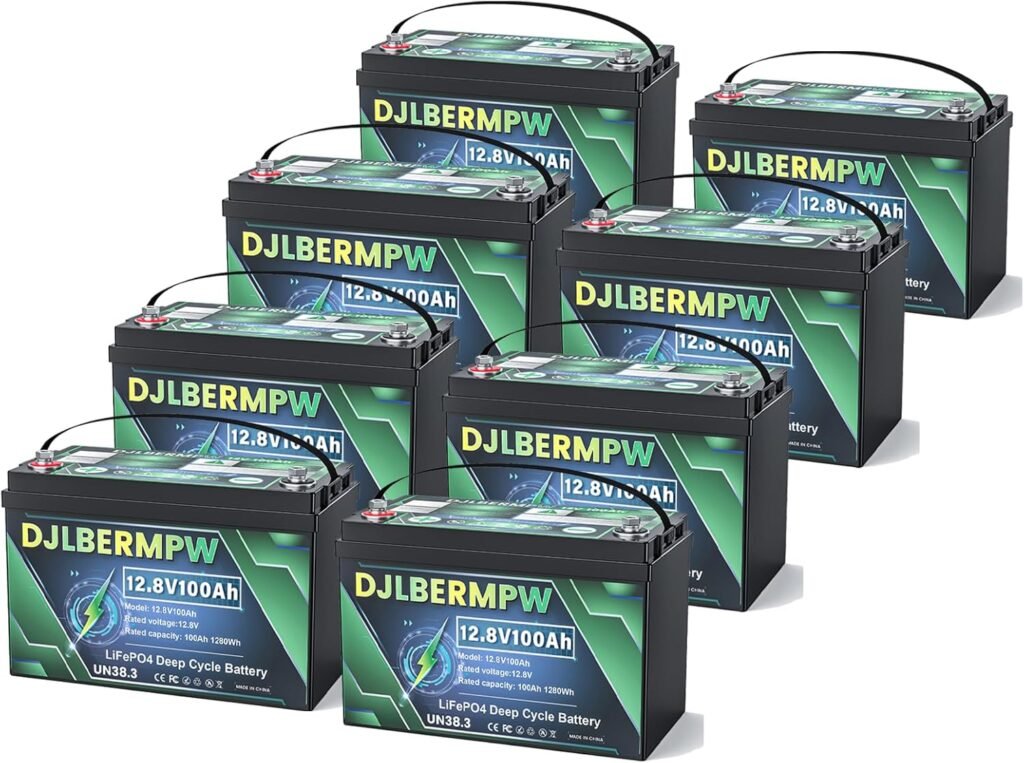
This product is not a single big block battery. Instead, it is a bundled system of eight 12V 100Ah LiFePO4 batteries that we configure as 2P4S (two in parallel, four in series) to create a 48V 200Ah pack. The result is a 10.24 kWh energy system that offers both flexibility and redundancy.
Each individual 12V 100Ah battery is equipped with its own 100A BMS, grade‑A cells, and low‑temperature cut‑off protection. When we wire them as recommended (2P4S), we end up with a robust system suitable for many mid‑to‑larger power needs.
Quick Specs at a Glance
To make things easier to understand, we can look at the main specifications in a compact format.
| Feature | Specification |
|---|---|
| Chemistry | LiFePO4 (Lithium Iron Phosphate) |
| System Configuration | 8 × 12V 100Ah in 2P4S → 48V 200Ah |
| Usable Energy (Nominal) | 10.24 kWh |
| Per‑Battery Size | 12.91 × 6.77 × 8.44 inches |
| Rated Capacity | 12V 100Ah per battery (200Ah at 48V when 2P4S) |
| Recommended Charge Current | Around 20A per 12V battery (charger suggestion 10A–20A at 14.6V) |
| Max Continuous Discharge | 100A per 12V battery (limited by BMS) |
| Peak Inrush Current | 200A for 3–5 seconds |
| Operating Temp – Charge | 0°C to 45°C |
| Operating Temp – Discharge | -20°C to 60°C |
| Cycle Life | 4,000 cycles at 100% DOD; up to 15,000 at ~60% DOD |
| Lifespan Estimate | Up to 10 years (with proper care) |
| Protection | 100A BMS, low‑temperature cut‑off, over/under‑voltage, overcurrent, short‑circuit |
| Waterproof Rating | IP66 (splash and dust resistant) |
| Expandability | Up to 4S or 4P, max 16 batteries (51.2V 400Ah ≈ 20.48 kWh) |
This overview helps us see how capable the system is and whether it fits our needs in terms of voltage, energy, and protection features.
Build Quality and Design
Grade‑A LiFePO4 Cells for Stability and Safety
We care about what is inside the battery just as much as how it looks on the outside. These batteries use grade‑A LiFePO4 cells, which are known for stable chemistry, low risk of thermal runaway, and long cycle life. That is important not only for longevity but also for safety in indoor or mobile environments.
By using LiFePO4 rather than traditional lead‑acid or cheaper lithium chemistries, we get a battery that can be discharged deeper, recharged more often, and still maintain a high percentage of its original capacity over thousands of cycles.
Compact, Modular Form Factor
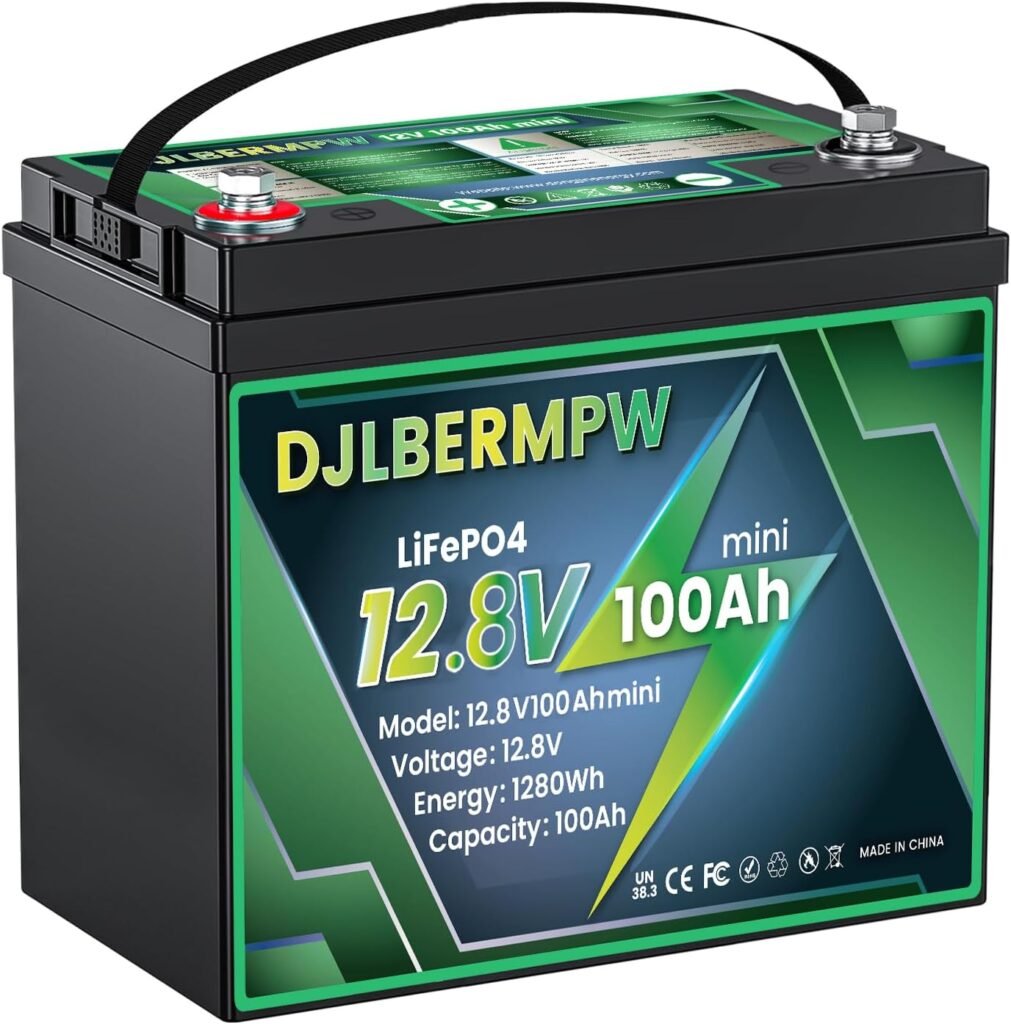
Each 12V 100Ah battery is relatively compact at about 12.91 × 6.77 × 8.44 inches. Instead of one massive, hard‑to‑move battery, we get eight manageable units. That makes installation in tight RV compartments, boats, or battery racks much easier.
We also gain the flexibility to mount and wire them in custom layouts. If our existing space is odd‑shaped or spread out, this modular design becomes much more convenient than a single bulky pack.
Understanding the 2P4S 48V 200Ah Configuration
What 2P4S Means for Our System
The product comes as eight separate 12V 100Ah batteries. To reach 48V 200Ah, we wire them in a 2P4S configuration:
- 2P (two in parallel): Two 12V 100Ah batteries in parallel make a 12V 200Ah “block.”
- 4S (four in series): Four of those 12V 200Ah blocks are then wired in series to achieve 48V 200Ah (nominal 51.2V).
This gives us:
- Voltage: 48V nominal
- Capacity: 200Ah
- Total Energy: 48V × 200Ah ≈ 9.6 kWh nominal; with LiFePO4 nominal voltage of 51.2V, that is around 10.24 kWh.
We end up with a system well‑suited for medium to large off‑grid cabins, serious RV setups, or extended backup power in a home UPS configuration.
Why 48V Matters
Running a 48V system instead of 12V or 24V brings several benefits:
- Lower current for the same power, which means less heat and smaller cable sizes.
- Better compatibility with many modern inverters and solar charge controllers designed for 48V.
- Improved efficiency, especially for higher‑power applications like full home systems, large inverters, and heavy RV loads.
If we are planning to power air conditioning, large inverters, or multiple high‑demand appliances, 48V usually makes far more sense than stacking everything at 12V.
Battery Management System (BMS) and Safety Features
100A BMS Protection per Battery
Each 12V 100Ah battery has its own 100A BMS (Battery Management System). The BMS is our internal guardian, quietly monitoring and protecting the cells. It provides:
- Overcharge protection
- Over‑discharge protection
- Over‑current protection
- Overheating protection
- Short‑circuit protection
In a multi‑battery system, this is extremely important. We want each battery to protect itself against abusive conditions while still working smoothly together in the pack.
Low‑Temperature Cut‑Off for Cold Climates
Charging lithium batteries in freezing conditions can permanently damage the cells. To prevent this, these batteries include a low‑temperature cut‑off function. When the temperature is too low, the BMS will prevent charging until conditions are safe.
This is particularly valuable for:
- Winter RV or vanlife use
- Off‑grid cabins in colder regions
- Marine applications in cooler climates
We still get the ability to discharge down to -20°C, but the system will take care of us by blocking charging when it could harm the cells.
Performance: Deep Cycles and Lifespan
Up to 15,000 Cycles Under the Right Conditions
Cycle life is a major selling point of this system. The manufacturer rates it at:
- Around 4,000 cycles at 100% Depth of Discharge (DOD)
- Up to 15,000 cycles at roughly 60% DOD
That means if we use only part of the capacity daily and avoid deep discharging all the time, we can expect an extremely long operational life. Even at 4,000 cycles, we are looking at over 10 years of daily cycling.
This kind of longevity makes the upfront investment much easier to justify compared to lead‑acid batteries that might last only a few years under heavy use.
10‑Year Service Life as a Realistic Expectation
With LiFePO4 chemistry, proper BMS protection, and good usage habits, a 10‑year lifespan is a reasonable expectation. The key is to:
- Avoid storing the batteries fully discharged
- Keep them charged at least every 3–5 months if not used
- Avoid extreme temperatures as much as we can
- Follow proper charging voltages and currents
The manufacturer specifically reminds us that if the battery is not used continually, we should charge it every 3–5 months. That small habit helps us maintain capacity and health over the long term.
Charging and Discharging Behavior
Recommended Charging Setup
The recommended charging voltage for each 12V LiFePO4 battery is 14.6V. Charging current is suggested to be less than 50A per battery, with a typical scenario being around 20A for long‑term health.
The manufacturer suggests using a dedicated 12V (14.6V) 10A or 20A fast charger. After fully charging four batteries, they recommend placing them in parallel for 1–2 hours to balance voltages across the pack. Alternatively, we can use a battery balancer for more automated management, especially in series configurations.
For a 48V bank made from these batteries, we will usually pair them with:
- A 48V inverter/charger optimized for LiFePO4
- A compatible 48V MPPT solar charge controller (if we are using solar)
Discharge Capacity and Inrush Current Handling
Each 12V 100Ah battery supports:
- Max continuous discharging current: 100A
- Inrush current: 200A for 3–5 seconds
When configured in 2P4S, our system can support substantial loads, especially when we consider how current scales in series vs parallel. This makes the system suitable for running:
- Inverters for house loads in an off‑grid setup
- RV and camper electrical systems, including high‑draw appliances
- Marine trolling motors and onboard electronics
- UPS backup systems powering critical equipment
We should still match the system with appropriately rated inverters and wiring to take full advantage of the current capacity.

Use Cases: Where This Battery System Shines
RVs, Motorhomes, and Campers
For RV owners, a 48V 200Ah LiFePO4 system offers serious power and long run times. We can run:
- Inverters for 120V AC appliances
- Refrigerators, lights, fans, and entertainment systems
- Occasional high‑demand loads like microwaves or coffee makers (with the right inverter)
The lightweight nature of LiFePO4 compared to equivalent lead‑acid capacity is also a huge plus for payload limits and fuel efficiency.
Off‑Grid Solar Home Systems
For small to medium off‑grid homes or cabins, 10.24 kWh is a meaningful amount of storage. Combined with a robust solar array and a 48V inverter/charger, we can power:
- Lighting and small appliances
- Computers, routers, and entertainment devices
- Some heavier loads, depending on system design
We can also expand up to 20.48 kWh by adding more batteries (up to 16 total), which gives us enough storage for more demanding off‑grid properties.
UPS and Backup Power Systems
Having a reliable battery bank for backup is essential in areas with unreliable grids. This system can:
- Pair with a 48V inverter/charger to create a whole‑house or partial‑house backup solution
- Keep essential loads like refrigerators, communications, medical devices, and lighting powered during outages
- Protect sensitive electronics from power fluctuations and short‑term blackouts
With 10.24 kWh on tap, we have enough reserve to ride through many outages, especially if we are selective about which loads we keep online.
Marine and Trolling Motor Use
The product is specifically described as suitable for a 10.24 kWh marine trolling motor setup, and the IP66 waterproof rating adds confidence for marine environments. With LiFePO4, we gain:
- Consistent voltage during discharge (less sag than lead‑acid)
- Lower weight for the same usable capacity
- Long cycle life, ideal for frequent fishing trips or daily boating use
We do still need to mount and protect the batteries properly from physical shock, salt spray, and direct water exposure, but the IP66 rating means the enclosure itself can handle splashes and dust.
Capacity Expansion and System Growth
Parallel and Series Options
These 12V 100Ah batteries can be connected:
- In parallel (up to 4P) to increase capacity (Ah) at the same voltage
- In series (up to 4S) to increase voltage while maintaining capacity
The manufacturer states that we can connect up to 16 batteries, achieving a maximum of 51.2V 400Ah, which is roughly 20.48 kWh of energy.
For example:
- 4 batteries in series (4S): 48V 100Ah
- 4 sets of that (4S4P): 48V 400Ah
Our current 2P4S configuration sits between those extremes, offering a balance of energy and modularity.
Matching Batteries for Best Results
The manufacturer emphasises that only batteries with the exact same voltage and capacity, purchased within a six‑month window, should be used in series or parallel. This is to:
- Minimize imbalances in internal resistance and capacity
- Reduce stress on the BMS
- Improve overall system reliability and longevity
If we plan to expand our system later, it is wise to:
- Buy extra batteries within a short time frame, or
- Plan the full system capacity upfront to avoid mismatched packs down the line
Real‑World Usability and Installation Considerations
Size and Placement
Each module is compact, but we still need to plan space for:
- Proper ventilation (even though LiFePO4 generates little gas, we want a cool and accessible location)
- Cable routing and bus bars or distribution blocks
- Fuses or breakers on major lines for safety
We should also consider ease of access for:
- Periodic checks or troubleshooting
- Re‑balancing or parallel equalization if necessary
- Future expansion or reconfiguration
Waterproofing and Environmental Protection
With an IP66 waterproof rating, these batteries are protected against powerful water jets and dust. That suits outdoor or semi‑outdoor installations like:
- Boat compartments
- Exterior RV battery bays
- Garage or shed installations with incidental moisture
We still do not want to submerge them, but we can relax a bit about splashes, spray, and dust in harsher environments.
Maintenance and Long‑Term Care
Storage and Infrequent Use
If we are not using the batteries continuously, the brand recommends charging them every 3–5 months. This prevents:
- Excessive self‑discharge over long periods
- Potential cell imbalance over time
- Permanent capacity loss from staying at a very low state of charge
Keeping the batteries partially charged and stored in a cool, dry place will go a long way toward preserving their health.
Best Practices for Maximum Lifespan
To truly get the most out of the 10‑year lifespan and high cycle ratings, we can follow a few best practices:
- Avoid full 0–100% charging/discharging cycles when not necessary; moderate DOD vastly extends cycle life.
- Do not charge below 0°C; rely on the built‑in low‑temp cut‑off but also try to keep the batteries in a less extreme environment.
- Use a charger or inverter/charger with a LiFePO4‑compatible profile (correct voltage and no extended float at high voltage).
- Ensure all series and parallel connections are tight, properly torqued, and made with appropriately sized cables.
These small steps make the difference between a battery bank that struggles after a few years and one that still feels strong after a decade.
Strengths of the 48V 200Ah DJLBERMPW LiFePO4 Set
What We Really Like
There are several standout strengths with this battery system:
-
High Energy Storage
With 10.24 kWh of capacity, we can cover serious loads and extended runtimes. That is more than enough for extended boondocking, overnight off‑grid operation, or long fishing days with trolling motors. -
LiFePO4 Safety and Longevity
LiFePO4 chemistry means strong thermal stability, long cycle life, and better tolerance for frequent charge/discharge cycles compared to traditional lead‑acid. -
100A BMS and Full Protection
Each battery includes a robust BMS offering overcharge, over‑discharge, over‑current, overheating, and short‑circuit defense, plus low‑temp cut‑off. -
Flexibility in Configuration
The 8‑pack modular design lets us tailor voltage and capacity based on our needs. The ability to extend to up to 16 batteries gives us serious growth potential. -
Fast Charging Support
With recommended chargers (10A or 20A at 14.6V), we can recharge in a reasonable timeframe, especially when combined with solar. -
IP66 Rating for Harsh Conditions
The high waterproof and dustproof rating supports use in RV, marine, and outdoor battery banks where conditions are not always ideal.
These features together provide a strong case for anyone building or upgrading a serious 48V system.
Potential Limitations and Things to Keep in Mind
Upfront Investment and System Complexity
We should be aware that:
- The cost of eight LiFePO4 batteries plus inverters, wiring, and chargers can be substantial upfront, even if it pays off over time.
- Wiring a 2P4S configuration properly requires attention to detail and at least a basic understanding of DC electrical systems.
For those of us who are less comfortable with electrical work, getting help from a professional installer can be a good idea.
Matching and Balancing
Because there are multiple batteries:
- We must ensure they are properly balanced in voltage before connecting in series or parallel.
- Using a battery balancer or following the manufacturer’s equalization instructions is highly recommended.
Skipping these steps can cause uneven wear, premature capacity loss, or BMS trips.
How This System Compares to Lead‑Acid Alternatives
Weight, Capacity, and Performance Benefits
Compared to lead‑acid (AGM, gel, or flooded), this LiFePO4 system stands out in several ways:
- Higher usable capacity: We can safely use a far higher percentage of the nominal capacity (often 80–90% for LiFePO4 versus ~50% for lead‑acid).
- Much longer cycle life: Thousands of cycles versus a few hundred under similar conditions.
- Better voltage stability: The voltage curve stays more consistent during discharge, which is gentler on connected equipment.
- Lighter weight for the same usable energy: Easier to install and transport, especially in RVs and boats.
In practical terms, that means a smaller footprint, less hassle, and a much longer upgrade cycle for our power system.
Example Scenarios of Daily Use
Off‑Grid Home with Solar
Imagine a small off‑grid home with:
- A 48V 5 kW inverter
- A 3–5 kW solar array
- This 48V 200Ah battery system (10.24 kWh)
On a typical day, solar charges the batteries by mid‑afternoon, and we rely on them through the evening and night. With moderate loads (lights, fridge, devices, maybe a TV and computer), we can comfortably run until morning without dipping too deeply into the battery bank.
If we add another identical set later (expanding up to 20.48 kWh), we might even power heavier loads like small AC units for longer periods.
RV Boondocking
In an RV, we might pair this battery with:
- A 48V inverter/charger that supplies 120V AC
- A solar array on the roof (e.g., 1–2 kW)
We can run:
- Residential fridge
- LED lighting
- Laptop chargers, phone chargers, fans, and entertainment
- Occasional heavy loads like a microwave or coffee machine
With 10.24 kWh on tap, we can typically get through one or more days of use without hookups, depending on weather and solar input.
Marine Trolling Motor and Onboard Power
For a trolling motor setup, the consistent voltage and high cycle life help us run longer at steady power. We can also power:
- Fish finders
- Navigation electronics
- Cabin lighting and small AC inverters
The IP66 rating adds confidence that the battery enclosures can tolerate marine environments with splashes, mist, and humidity.
Who This Battery System Is Best For
Ideal Users and Applications
This 48V 200Ah LiFePO4 system suits us if we:
- Need reliable off‑grid or backup power with serious capacity
- Are building or upgrading a 48V solar system for a home, cabin, or workshop
- Want a robust RV or marine power system for extended stays away from hookups
- Prefer investing once in a long‑lasting solution rather than constantly replacing cheap batteries
If we fit into any of those groups, this product can be a strong core component of our power system.
Maybe Not the Best Fit If…
This system might be excessive or not ideal if we:
- Need only a small portable battery for light camping or occasional power
- Have no plans to run an inverter or multiple high‑demand devices
- Prefer a plug‑and‑play all‑in‑one power station with built‑in inverter and outlets
In those cases, a smaller LiFePO4 battery or a portable power station could be simpler and more cost‑effective.
Tips for Getting the Most Value from This Battery System
To truly maximize what we get from this 48V 200Ah LiFePO4 pack, we can follow a few practical guidelines:
-
Plan the System as a Whole
Think through our inverter, solar, charger, cabling, and loads before buying. A well‑matched system runs more efficiently and lasts longer. -
Balance Before Series Wiring
Ensure all 12V batteries are at the same voltage before wiring them in series. Parallel them briefly or use a balancer as recommended. -
Use Proper Protection Devices
Include fuses or DC breakers on battery strings and main leads. Safety devices are not optional when dealing with substantial energy storage. -
Keep an Eye on Temperatures
Avoid charging in freezing conditions and try to keep the batteries away from extreme heat. Temperature is a major factor in battery longevity. -
Log Usage and Trends
If we can, pairing the system with a battery monitor or smart shunt helps us track state of charge, cycles, and trends. That makes early issue detection easier.
Final Thoughts: Is This 48V 200Ah LiFePO4 System Worth It?
When we look at everything together, this 48V 200Ah LiFePO4 Lithium Battery bundle offers a compelling mix of capacity, safety, flexibility, and long‑term value. With 10.24 kWh of storage, a 100A BMS per battery, up to 15,000 cycles, and robust expansion options, it is well positioned as the heart of a serious off‑grid or backup power system.
We appreciate that it comes as eight 12V 100Ah modules because that gives us installation flexibility and easier handling. The IP66 rating, low‑temperature cut‑off, and UL1973‑tested internal cells further reinforce that this is designed for demanding real‑world conditions.
If we are ready to step up from lead‑acid or underpowered lithium solutions and we want a 48V bank that can grow with our needs, this “48V 200Ah LiFePO4 Lithium Battery,15000 Deep Cycle Battery 48V, Built‑in 100A BMS MAX.10.24KW, 8 Pack 12V 100Ah in 2P4S” system stands out as a strong, forward‑looking choice for RVs, off‑grid solar homes, marine setups, and UPS systems alike.
Disclosure: As an Amazon Associate, I earn from qualifying purchases.