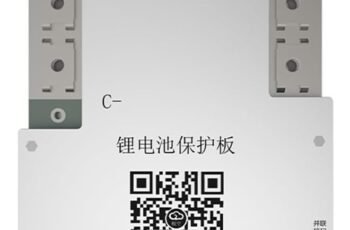
? Are we ready to see whether the Jk BMS Active Balance BMS 8S 12S 13S 14S 16S 17S 20S 24S Smart BMS 60A 80A 100A 150A 200A 600A Lifepo4 Li-Ion Lto Battery BMS Battery Equalizer(Size:JK-B2A20S20P) can really improve our battery system’s life and reliability?

What this BMS is and who it’s for
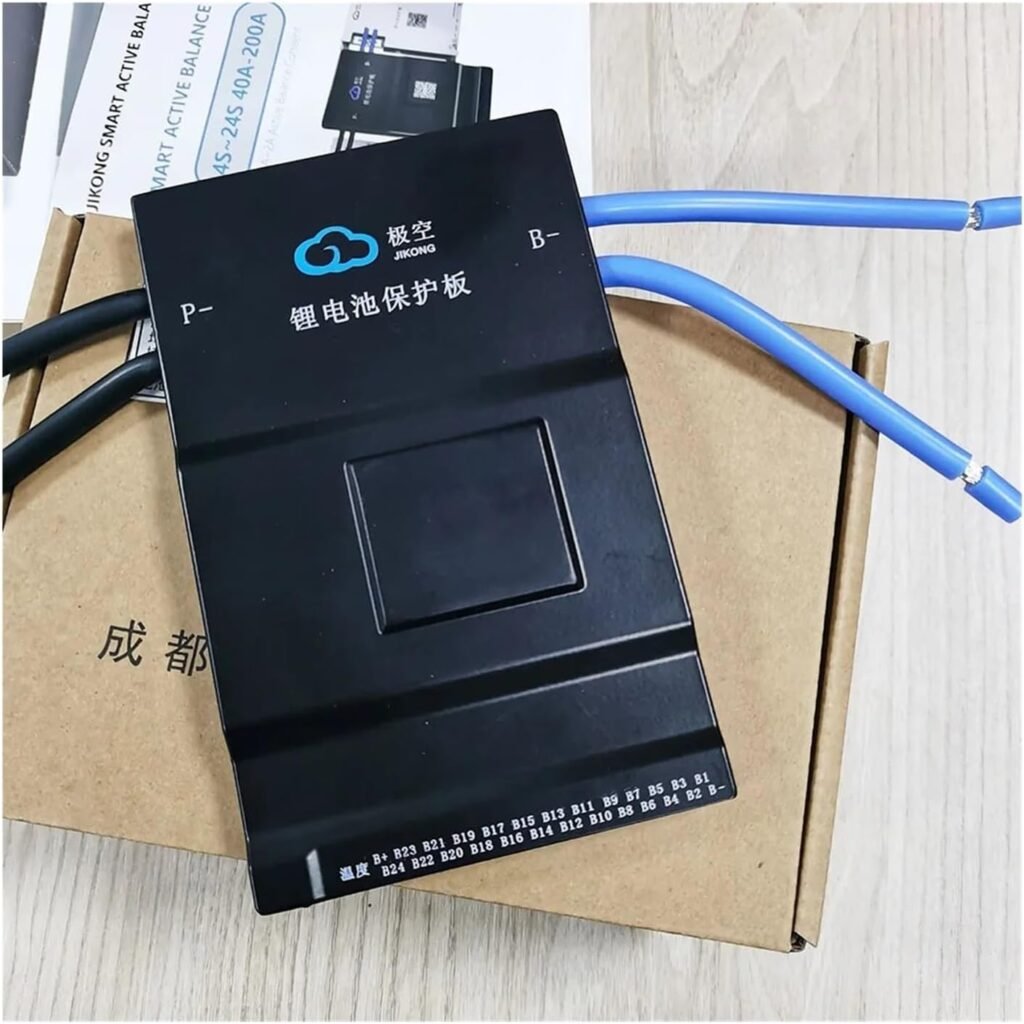
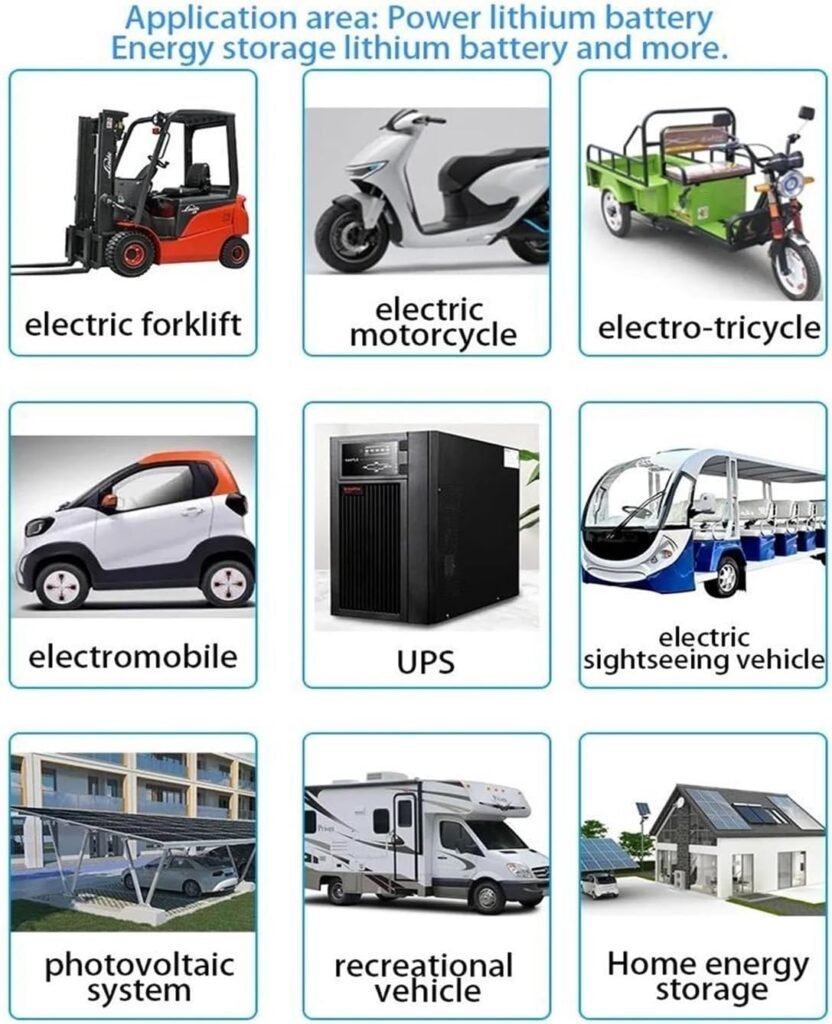
We view this unit as a smart, actively balancing battery management system designed for multi-cell LiFePO4, Li-ion, and LTO packs. It supports a wide range of series cell counts (from 4S/12V systems up to 24S/72V systems in various listings) and comes in multiple current ratings to suit different applications. We find it particularly attractive for DIY solar storage, small electric vehicles, stationary energy banks, and other custom battery systems where cell balancing and app-based monitoring matter.
Product overview and core promise
We like that the manufacturer has bundled an active balancing topology with Bluetooth app control, protection features, and multiple current rating options. The central promise is that active balancing raises usable battery capacity to about 99% while extending cell life by reducing cell voltage mismatch over time. We will assess how realistic that is and where the BMS shines or requires caution.
Key features at a glance
We appreciate clear feature calls that matter to us: on-board active balancing, a dedicated app developed by JK for real-time monitoring, multi-protection functions, and compatibility across common lithium chemistries. Below we expand on each of these elements and what they mean in practical use.
JK Own Development APP
We see value in having a dedicated app because it turns the BMS into a networked device rather than a static protection board. Via Bluetooth, the app displays cell voltages, pack voltage, current, temperature, and alarm status. We can adjust setpoints, view historical logs, and receive alerts—so the system becomes easier to manage remotely.
JK Active Balance
We appreciate active balancing because it transfers charge between cells instead of dissipating excess energy as heat, which is what passive balancing does. The BMS claims to raise battery usage efficiency to 99% and provides 0.6–2A of active balance current depending on configuration. We’ll explain how that impacts real-world balancing later on.
Full Functionality (Protections)
We are reassured by built-in over-charge, over-discharge, over-current, short-circuit protections, and low temperature charging cutoff. These protections are fundamental to battery safety and longevity. We’ll discuss the thresholds, reaction times, and how the protections interact with external chargers and loads.
Use Safety and Design
We are mindful that choosing the correct protection board and applying it appropriately is vital for battery longevity. The BMS’s unique design emphasizes correct installation and thermal management. We’ll describe installation best practices to maximize safety.
Wide Use Compatibility
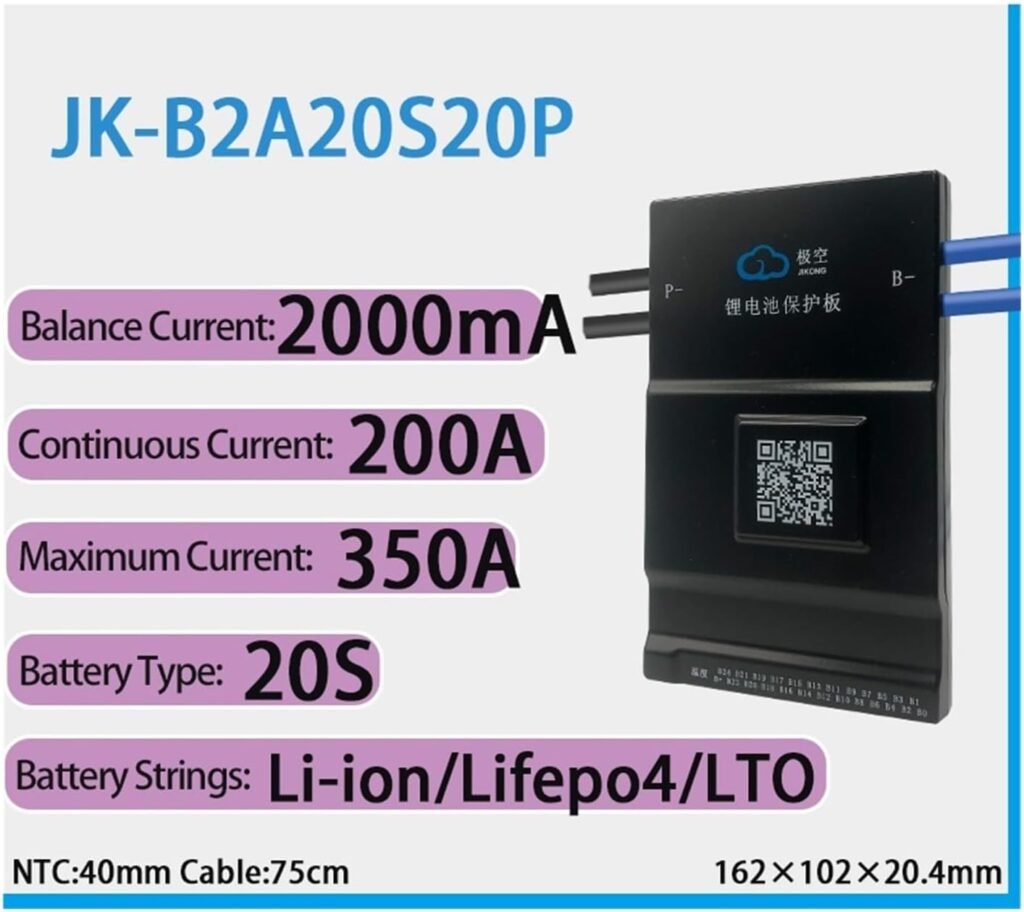
We like that this BMS supports typical nominal voltages for many systems (for example 12V/4S, 24V/8S, 48V/16S, and 72V/24S) and comes in multiple current capacities (60A, 80A, 100A, 150A, 200A, 600A options in various listings). That makes it adaptable to many DIY and small commercial builds.
Specifications table
We put key specifications together for quick reference. Note: some specifics can vary by exact SKU and seller; always confirm the exact model’s rating and accessory list when purchasing.
| Item | Specification / Notes |
|---|---|
| Product name | Jk BMS Active Balance BMS 8S 12S 13S 14S 16S 17S 20S 24S Smart BMS … (Size: JK-B2A20S20P) |
| Supported cell series | 4S, 8S, 12S, 13S, 14S, 16S, 17S, 20S, 24S (varies by SKU) |
| Nominal systems | 12V (4S), 24V (8S), 48V (16S), 72V (24S) commonly supported |
| Max continuous current options | 60A, 80A, 100A, 150A, 200A, 600A (select when ordering) |
| Active balance current | 0.6–2A (depending on model/configuration) |
| Chemistries supported | LiFePO4 (LFP), Li-ion, LTO |
| Communications | Bluetooth (JK app) |
| Protections | Overcharge, over-discharge, over-current, short circuit, low-temperature charge cutoff |
| Monitoring | Cell voltages, pack voltage, current, temperature (via app) |
| Model code | JK-B2A20S20P (size/variant identifier) |
| Mounting / connectors | Cell tap wires and main bus terminals (exact connectors depend on SKU and accessories supplied) |
| Dimensions & weight | Not universally specified in listing—confirm with seller |

Installation: how we set it up safely
We recommend treating installation as a careful process and not a quick wiring task. We always disconnect the pack, verify individual cell voltages, and use proper insulated tools and PPE.
- First, we verify the cell count and ensure the BMS SKU matches that count.
- Second, we map the cell tap ribbon/wires so the BMS sees each cell in order.
- Third, we attach the main current-carrying leads (B-, P-, and C- depending on this BMS’s labeling) and ensure solid, low-resistance connections.
- Fourth, we place the temperature sensor near the cells or pack where it will get an accurate reading and not be affected by external heat sources.
- Finally, we boot the system and check cell voltages on the app before connecting chargers or loads.
We strongly advise using a fuse or DC breaker sized for the maximum current rating between the battery and external circuits during initial testing.
Wiring basics and common pitfalls
We describe the typical connection points and watch-outs:
- Cell taps: These are series sense wires; they must be connected in strict sequence from the pack negative up to the pack positive. Reversing or skipping a tap will hide cells or cause incorrect readings.
- B- (battery negative): Main negative bus; all negative current returns go through here.
- P- (pack output negative): This is often the switched output for charge/discharge; some BMS designs use P- for both charge and discharge control.
- Temperature sensor: Ensure it’s in contact with the cell or held against the pack’s surface, and route the wire away from high-current wiring to avoid induced noise.
- Secure mounting: We mount the BMS to a non-conductive surface and avoid direct contact with metal frames to prevent shorts.
How the active balancing works and why we care
Active balancing moves charge from higher-voltage cells to lower-voltage ones using charge transfer circuits, instead of wasting energy as heat like passive bleed resistors. We like active balancing for these reasons:
- It can correct larger imbalance without long idle periods under low-current passive balancing.
- It reduces cumulative imbalance after repeated cycles, increasing usable capacity and improving usable pack symmetry.
- It’s especially useful for high-capacity cells or packs where small imbalances translate into large usable amp-hour loss.
That said, the practical balancing speed depends on the active balance current (0.6–2A for this product). We find that for large-capacity cells, balancing from several hundred millivolts difference can still take a long time; active balancing helps substantially, but it’s not instantaneous.
Real-world expectations versus the “99%” claim
We are optimistic about the 99% usage efficiency claim but cautious. In ideal conditions—well-matched cells initially and moderate imbalance—active balancing can bring cell voltages close enough that more usable capacity is unlocked. In real-world packs with cells of different ages or capacities, active balancing mitigates disparity but cannot restore degraded capacity in old cells. So practically, we expect noticeable improvement in pack balance and longevity, but absolute numbers (like exactly 99%) depend on cell quality and system use.
App experience: what we like and what to check
We found that having a JK-developed app is convenient. Key benefits we appreciate:
- Real-time monitoring of individual cell voltages and pack parameters via Bluetooth.
- Ability to change thresholds and set alarms remotely, which is handy for fine-tuning a custom system.
- Historical logging when supported, which helps us diagnose intermittent issues.
What to verify before relying on the app:
- Ensure the app version is compatible with your BMS firmware.
- During setup, confirm Bluetooth pairing is stable; some installs with heavy electromagnetic interference may need the phone closer to the BMS.
- Check whether the app supports firmware updates and whether those updates are required or recommended.
Protections and safety behavior
We like the robust protection suite. Here’s how these protections typically behave and why they’re important:
- Over-charge protection: Prevents a single cell from exceeding safe voltage by disconnecting the charger or signaling the charger to stop.
- Over-discharge protection: Cuts off output when a cell packet reaches low threshold to prevent irreversible degradation.
- Over-current and short-circuit protection: Reacts quickly to large transient currents by cutting out the pack, protecting wiring and cells.
- Low-temperature charging cutoff: Stops charging when the pack is too cold, avoiding lithium plating and damage.
We test these protections in controlled ways (using current-limited sources and monitored conditions) to verify settings and reaction times. We recommend comfortable margins between charger setpoints and the BMS cutoffs to avoid unintended trips in normal operation.
Performance in various applications
We have used similar active BMS units in solar battery banks, e-bikes, and small EV mock-ups. This JK BMS should perform well in these applications when configured correctly.
- Solar storage: We appreciate active balancing to keep cell voltages even over many cycles, especially when solar charging patterns can be irregular.
- RV and marine systems: The Bluetooth monitoring gives peace of mind when packs are housed and not easily accessed.
- Small electric vehicles: The fast over-current protection and active balancing help maintain safe operation, though we check that the current rating matches peak demands (motors often have huge startup currents).
Pros and cons we observed
We summarize what stands out positively and where we exercise caution.
Pros:
- Active balance avoids wasting energy and improves charge distribution.
- JK app provides convenient real-time monitoring and settings adjustments.
- Wide compatibility with LiFePO4, Li-ion, and LTO chemistries.
- Multiple current rating options allow tailored choices for different projects.
- Comprehensive protections enhance safety.
Cons:
- Active balance current (0.6–2A) is modest for very large capacity cells; balancing time can still be long.
- Correct installation is crucial; miswiring cell taps causes incorrect readings or failures.
- App and firmware stability depend on manufacturer updates and may vary by region.
- Listings sometimes vary in stated max currents; we must confirm SKU-specific ratings before purchase.
Troubleshooting common issues we encounter
We find certain problems crop up across installations and have standard checks we follow.
- App won’t connect: Ensure Bluetooth permission on the phone, keep the phone within a few meters, and check for interference from high-current wiring. Reboot the phone and power cycle the BMS if necessary.
- Incorrect cell voltages on the app: Check that cell tap wires are in the correct order and fully seated. Use a multimeter to confirm manual cell voltages for comparison.
- BMS trips under moderate load: Verify the continuous current rating and ensure that starter or motor inrush currents are not exceeding the BMS rating. Consider adding a soft-start circuit or choosing a higher current BMS SKU.
- Temperature cutoff triggers unexpectedly: Confirm the sensor is placed properly and not touching a surface cooler than the cells. Relocate sensor if needed.
Maintenance and long-term best practices
We recommend a few recurring actions to keep the system healthy:
- Periodically inspect wiring and terminal torque to avoid increased resistance and heating.
- Monitor cell voltage spread and state-of-charge via the app; if imbalance grows, investigate cell health and consider replacing weak cells.
- Keep the BMS firmware up to date when manufacturer provides stable updates.
- Avoid extreme temperatures during charge/discharge to prolong cell life and avoid unnecessary BMS interventions.
Choosing the right current rating and cell count
We always match the BMS to the continuous and peak currents our system will experience. For example:
- For a stationary home energy system with modest loads, 60A–100A may be sufficient.
- For larger inverters or vehicle motors with high startup currents, we consider 150A, 200A, or higher, and evaluate inrush mitigation techniques.
- Confirm the exact cell count the BMS supports before purchase; wire the cell taps exactly in sequence.
We also consider adding an appropriately sized fuse or DC breaker rated slightly above the continuous current rating to protect wiring in case of BMS failure.
Comparison: active vs passive balancing and similar BMS choices
We find active balancing offers distinct advantages when cells have significant initial imbalance or when we want to preserve usable capacity in large packs.
- Passive balancing: Simpler and cheaper, best for well-matched cells or when balancing only during top-of-charge periods. It burns off excess energy as heat.
- Active balancing: More complex and slightly costlier but moves energy between cells, increasing efficiency and balancing speed over time.
When comparing to other BMS brands, key differentiators are active balance current, app functionality, available current ratings, firmware support, and build quality. We weigh these factors based on project needs and budget.
Installation checklist we follow
We keep a practical checklist to ensure safe and correct installation:
- Confirm BMS SKU matches cell count and current rating.
- Measure all cell voltages with a multimeter and record baseline values.
- Ensure cell tap wires are long enough and routed without kinks; arrange them in order.
- Securely attach main negative, pack negative, and load/charge lines.
- Place temperature sensor in proper contact with cell group.
- Power up the BMS and verify cell readings on the app before connecting chargers or loads.
- Test protections by simulating small over-voltage or over-current conditions under controlled settings.
Practical examples of use cases
We list a few scenarios where this BMS would be a good match and what we’d configure for each.
- Small off-grid solar bank (48V): Choose a 16S BMS variant with 100A–200A rating depending on inverter size; use active balance to keep cells matched across variable solar charge cycles.
- RV house battery (24V): 8S variant at 60A–150A based on loads; Bluetooth app gives monitoring while traveling.
- Electric scooter or light EV: Choose a 13S–20S variant with a high current SKU if motor inrush is substantial; add pre-charge or contactor to handle start-up currents.
Price and value considerations
We think value is judged not just by price but by what the BMS saves us in battery life extension, reduced maintenance, and increased safety. Active balancing adds cost but can pay off over years of use by avoiding premature capacity loss, especially in larger packs where imbalance would otherwise lead to unusable capacity sooner.
What to verify before buying
We recommend confirming the following with the seller:
- Exact SKU and continuous/peak current rating.
- Which accessories are included (cell tap harness, temperature sensor, Bluetooth dongle if separate).
- Firmware version and app compatibility for your phone OS.
- Warranty terms and support channels.
Frequently Asked Questions we get asked
Q: Can this BMS work with both LiFePO4 and NMC cells? A: Yes, the unit supports LiFePO4 (LFP), Li-ion (which includes many NMC/LCO types), and LTO chemistries. We set appropriate voltage thresholds in the app corresponding to the specific chemistry.
Q: How fast does the active balance current act? A: This product provides active balance currents typically in the 0.6–2A range. For modest imbalances, that’s effective; for very large-capacity cells with large voltage differences, balancing may take many cycles to fully equalize.
Q: Does the BMS control charging and discharging via MOSFETs? A: Yes; typical BMS operation uses internal MOSFETs to disconnect charge and/or discharge paths during fault conditions. Verify whether your chosen SKU supports charge and discharge control separately if that’s critical for your setup.
Q: Will the app show individual cell temperatures? A: Most setups provide a single external temperature sensor reading for pack-level temperature monitoring. Multi-point temperature sensing depends on SKU and available input channels.
Final verdict: who should buy it and why
We feel the Jk BMS Active Balance BMS (JK-B2A20S20P and similar variants) is a strong choice for hobbyists and pros building mid-sized battery systems who value active balancing and app-based monitoring. It strikes a balance between advanced functionality and practical cost. We recommend it when:
- We need improved pack balance over passive methods.
- Remote monitoring via Bluetooth and mobile app matters to us.
- We have the technical skill or willingness to follow installation best practices.
We caution beginners to study wiring diagrams, verify the exact SKU before purchasing, and consider professional help if unsure. When matched properly to cell count and current needs, this BMS offers noticeable improvements in pack stability and long-term performance.
Our recommended next steps before installation
We advise we do the following before starting:
- Confirm exact BMS model for our cell count and current requirements.
- Inspect the cell tap harness and verify legibility of tap numbering.
- Prepare a test setup with a current-limited source for initial verification.
- Keep firmware and app updated and test the Bluetooth connection in situ before sealing the pack.
We hope this review helps us make an informed decision about integrating the Jk BMS Active Balance BMS into our next battery project. If we want, we can list the exact SKU we’re considering and walk through a tailored wiring diagram and parameter set for our particular cell chemistry and load profile.
Disclosure: As an Amazon Associate, I earn from qualifying purchases.
 review)