When we consider charger cable sizing, it’s clear that selecting the correct gauge is more than a technical detail—it’s a critical factor in preventing overheating and potential fire hazards. Using cables that aren’t designed for your device’s current can lead to excessive heat buildup, compromising safety and performance. Understanding how to match cable specifications with power demands can help us avoid these risks, but there are subtle signs and best practices that often go overlooked.
Key Takeaways
- Use appropriately gauged cables to match device current demands, minimizing resistance and preventing overheating.
- Inspect cables regularly for damage, fraying, or signs of overheating like softened insulation or burning smells.
- Avoid tight coiling or sharp bends to reduce internal wire stress and maintain cable integrity.
- Choose high-quality, safety-certified cables with high thermal resistance to reduce fire risk and ensure durability.
- Implement fuses or circuit breakers and store cables properly to enhance fire prevention and extend cable lifespan.
Why Charger Cable Size Matters for Safety and Performance
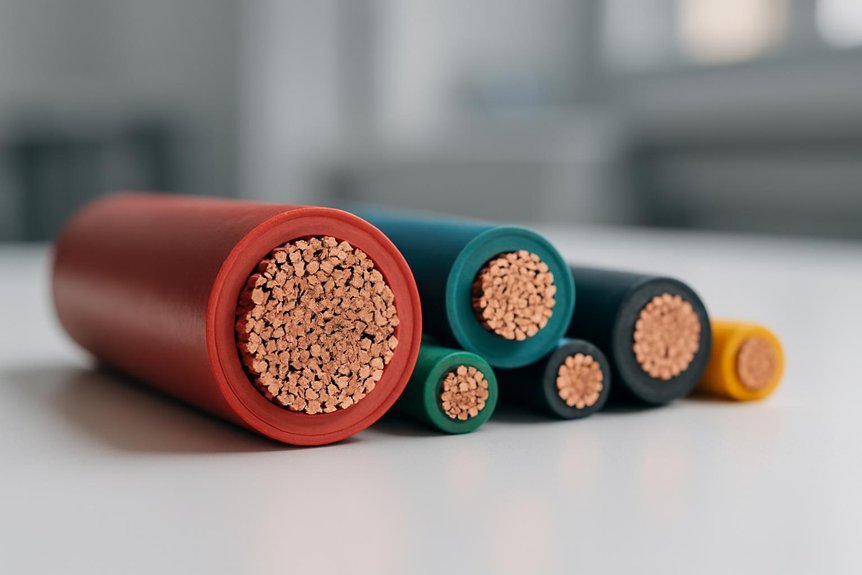
Although charger cables may seem like simple components, their size critically impacts both safety and performance. When we consider cable gauge, smaller diameters increase electrical resistance, which reduces charging efficiency by causing voltage drops and heat generation. This heat can degrade cable insulation, compromising cable durability and elevating fire risk. Conversely, appropriately sized cables minimize resistance, ensuring stable current flow and improved charging efficiency. They also maintain structural integrity over time, preventing wear that could expose conductors. By selecting cables with correct sizing, we reduce energy loss and mitigate overheating hazards. Therefore, understanding how cable size influences electrical characteristics is essential for optimizing device performance and preventing dangerous failures. It’s a technical balance that directly affects both operational reliability and user safety.
How to Choose the Right Charger Cable Gauge for Your Device
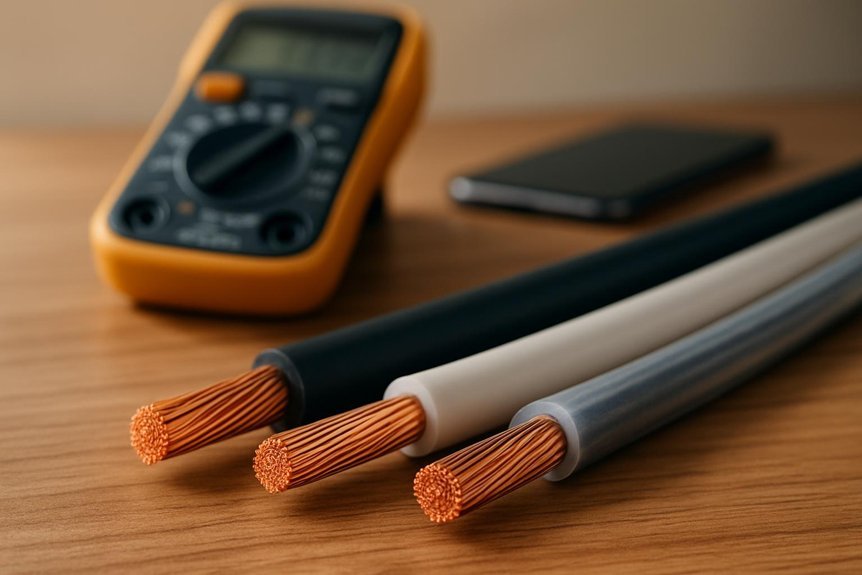
Understanding how cable size affects electrical resistance and heat generation sets the foundation for selecting the right charger cable gauge for your device. We start by evaluating the current requirements of the device, as gauge selection depends heavily on the amperage the cable must safely carry. Thicker cables (lower gauge numbers) have lower resistance, reducing heat buildup and voltage drop, which is critical for high-power devices. Next, we verify device compatibility, ensuring the cable gauge matches both the charger output and device input specifications. Using a cable gauge that’s too thin can compromise performance and safety, while excessively large cables may be impractical. By analyzing device power demands and matching them with the appropriate gauge, we optimize charging efficiency and mitigate overheating risks effectively.
Common Risks of Using Undersized or Poor-Quality Charger Cables
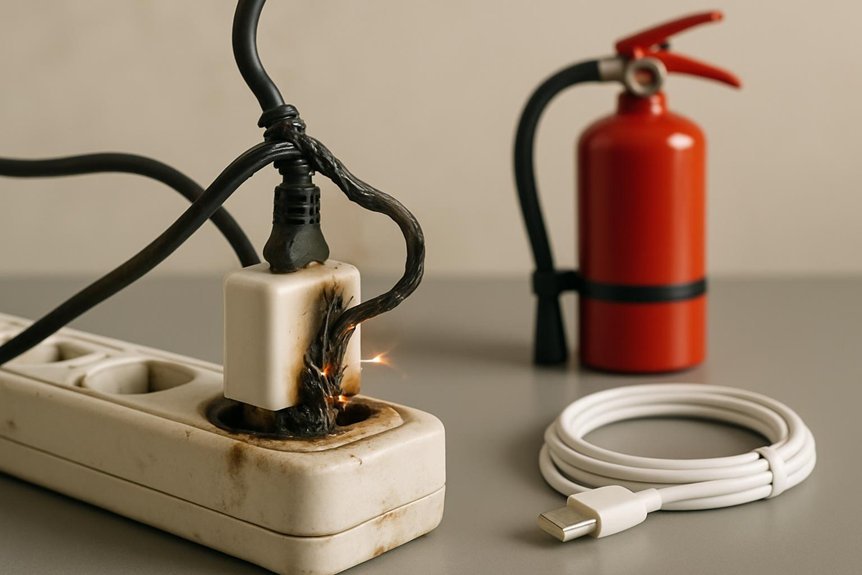
When we use undersized or poor-quality charger cables, we expose ourselves to several significant risks that can compromise both device performance and safety. Undersized cables have higher electrical resistance, causing excessive heat buildup under load, which leads to overheating risks that can damage internal components or ignite fires. Poor-quality materials and inadequate insulation accelerate cable deterioration, increasing vulnerability to short circuits and electrical faults. Additionally, these cables often fail to maintain stable current flow, resulting in inefficient charging and potential harm to battery lifespan. By understanding these risks, we see why selecting appropriately gauged, high-quality cables is essential for maintaining safe operation and preventing hazards associated with thermal stress and material degradation in charger cables.
Signs Your Charger Cable Is Overheating or Unsafe
We need to watch for visible cable damage, such as fraying or exposed wires, as these are clear indicators of compromised safety. Additionally, if the cable feels unusually hot during use, it signals excessive current flow or poor conductivity. Identifying these signs early helps prevent potential fire hazards linked to overheating cables.
Visible Cable Damage
Visible cable damage serves as a critical indicator that your charger cable may be overheating or unsafe. When we inspect cables, we focus on visible wear such as cracks, abrasions, or deformation in the outer sheath. Frayed insulation is particularly concerning because it exposes internal conductors, increasing the risk of short circuits and electrical faults. Such deterioration often results from mechanical stress, bending, or inadequate cable sizing that causes excessive current flow. Identifying these signs early enables us to prevent electrical hazards effectively. We recommend regular visual inspections, paying close attention to discoloration, exposed wires, and brittle sections. Once visible wear or frayed insulation appears, the cable’s integrity is compromised, and continued use considerably elevates fire risk. Replacing damaged cables promptly is essential for safety and compliance.
Unusual Heat Levels
Although charger cables often operate under normal temperature ranges, unusual heat levels signal potential safety hazards that demand immediate attention. Effective heat detection can prevent cable insulation breakdown and reduce fire risk. We must monitor temperature changes during charging, as excessive heat often indicates improper cable sizing or internal damage.
| Symptom | Possible Cause |
|---|---|
| Warm to touch | Normal operation |
| Hot spots along cable | Poor heat dissipation |
| Softened cable insulation | Overheating, material fatigue |
| Burning smell | Electrical short circuit |
| Visible scorch marks | Severe overheating |
Best Practices to Prevent Electrical Fires From Charger Cables
Since charger cables carry varying currents depending on their design and usage, selecting the correct cable size is essential to minimize overheating risks and prevent electrical fires. To enhance fire prevention, we must focus on diligent cable maintenance and proper operational protocols. Here are key best practices:
- Inspect cables regularly for wear, damage, or insulation degradation to avoid short circuits.
- Verify cables are rated for the device’s current demand to prevent excessive heat buildup.
- Avoid coiling or bending cables tightly, which can cause internal wire stress and hotspots.
- Use certified connectors and avoid unauthorized repairs that compromise electrical integrity.
Recommended Charger Cable Brands and Specifications for Safety
When selecting charger cables, we must prioritize brands with top safety certifications like UL, CE, and RoHS to guarantee reliable fire prevention. It’s essential to choose cables with appropriate wire gauge and voltage ratings that match or exceed device requirements. Let’s analyze which manufacturers consistently meet these standards and the specific specifications that enhance overall safety.
Top Safety Certified Brands
As we evaluate charger cables for fire prevention, prioritizing top safety certified brands guarantees we meet rigorous industry standards. Safety certifications like UL, CSA, and IEC confirm that cables undergo stringent testing for thermal resistance, current capacity, and insulation integrity. Through brand comparisons, we identify manufacturers consistently delivering certified, high-quality cables minimizing fire risks.
Key top safety certified brands include:
- Anker: Known for robust UL-listed cables with advanced fire-resistant materials
- Belkin: Offers CSA-certified cables meeting rigorous burn and overload tests
- Tripp Lite: Provides IEC-compliant cables with enhanced insulation and flame retardance
- AmazonBasics: Delivers cost-effective, safety-certified cables validated by independent labs
Choosing these brands guarantees compliance with fire prevention best practices and superior cable performance under electrical load.
Cable Gauge And Ratings
Building on the importance of selecting top safety certified brands, understanding cable gauge and electrical ratings is fundamental to fire prevention. Cable gauge directly influences cable conductivity; a thicker gauge reduces resistance, minimizing heat generation. Selecting a cable with appropriate gauge guarantees the current capacity aligns with the charger’s power demands, preventing overheating. Equally critical is the cable’s thermal resistance rating, which indicates its ability to withstand elevated temperatures without degradation. Cables with high thermal resistance maintain integrity under load, reducing fire risk. We recommend focusing on cables certified for specific amperage and voltage ratings, matched precisely to your charger’s specifications. Prioritizing both gauge and thermal resistance in cable selection optimizes safety, reliability, and longevity, effectively mitigating electrical hazards during charging.
Frequently Asked Questions
Can Charger Cable Length Affect Charging Speed or Safety?
Yes, longer charger cables can reduce charging efficiency due to increased resistance, potentially causing heat buildup. We must guarantee high-quality cable insulation to maintain safety and prevent fire hazards while optimizing charging performance.
How Often Should I Replace My Charger Cable for Optimal Safety?
Like a car needs regular oil changes, we should replace our charger cable every 1-2 years, or sooner if safety indicators like fraying or overheating appear, ensuring ideal cable lifespan and minimizing fire risks effectively.
Are Wireless Chargers Safer Than Wired Charger Cables?
We find wireless technology generally safer due to reduced electrical contact risks, but charging efficiency is lower than wired cables. Balancing safety and efficiency, we recommend evaluating device needs before choosing between wireless or wired charging methods.
What Materials Are Used in Fire-Resistant Charger Cables?
We see fire-resistant materials like silicone, fluoropolymers, and mica woven into cable insulation, forming a protective shield that withstands heat. These materials guarantee durability and safety, reducing fire risks in charger cables effectively.
Can Extreme Weather Conditions Damage Charger Cables?
Yes, extreme weather conditions can degrade cable insulation, leading to reduced performance and safety risks. We analyze weather impacts carefully to select materials that maintain integrity, ensuring cables withstand temperature fluctuations, moisture, and UV exposure effectively.
Conclusion
To sum up, selecting the right charger cable size isn’t just about performance—it’s a critical step in fire prevention. Let’s not cut corners, as undersized or poor-quality cables can quickly turn from a simple inconvenience to a serious hazard. By choosing appropriate gauge cables, inspecting them regularly, and following best practices, we can keep our devices safe and running efficiently. Remember, prevention is better than cure when it comes to electrical safety.