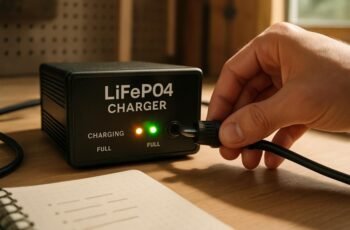
Nearly 70% of waterproof chargers used in marine settings fail prematurely due to inadequate maintenance. We often overlook small but critical tasks like cleaning seals or preventing corrosion, which can lead to costly downtime and safety risks. By understanding how to properly care for these devices, we can greatly enhance their reliability and lifespan. Let’s explore practical steps to keep our waterproof chargers performing at their best in harsh outdoor environments.
Key Takeaways
- Regularly clean chargers with soft brushes and compressed air after outdoor use to remove dirt and prevent corrosion.
- Inspect seals, port covers, and gaskets for wear or damage to maintain waterproof integrity and prevent water ingress.
- Rinse chargers with fresh water after saltwater exposure and apply corrosion-inhibiting spray on metal parts.
- Store chargers in sealed, dust-free containers, elevated off the ground, and protect from temperature extremes.
- Monitor connectors for debris or corrosion, ensure proper cable alignment, and update firmware to maintain charging reliability.
Why Regular Maintenance Matters for Waterproof Chargers
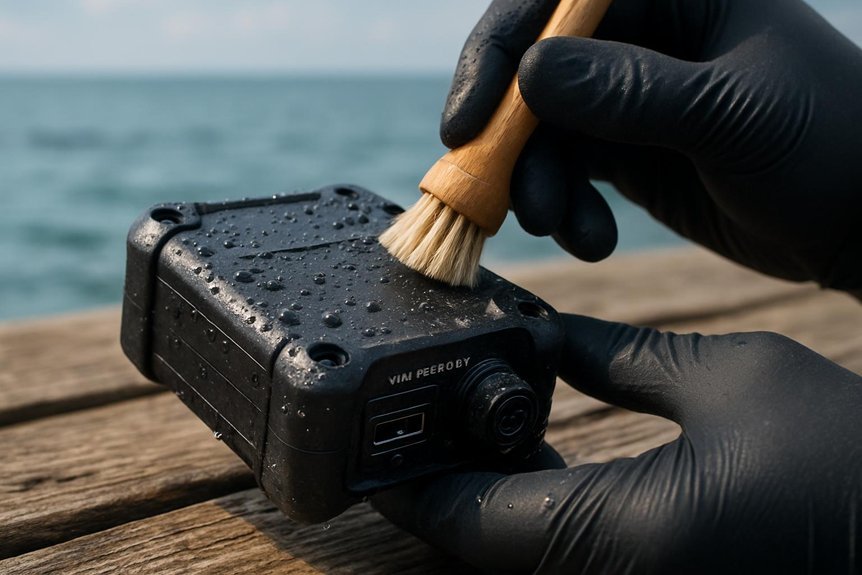
Although waterproof chargers are designed to resist moisture and dust, regular maintenance is essential to secure their long-term reliability and safety. Consistent upkeep directly influences charger longevity by preventing internal corrosion and guaranteeing seals remain intact. We need to establish an appropriate maintenance frequency based on usage intensity and environmental exposure, especially in marine and outdoor settings where saltwater and dirt accelerate wear. Ignoring maintenance can lead to performance degradation and safety hazards like short circuits. By adhering to a scheduled inspection routine, we can detect potential issues early, preserving the charger’s waterproof integrity and electrical efficiency. This proactive approach not only extends the device’s operational life but also safeguards user safety, making maintenance frequency a critical factor in managing waterproof chargers effectively.
How to Clean Your Waterproof Charger Safely
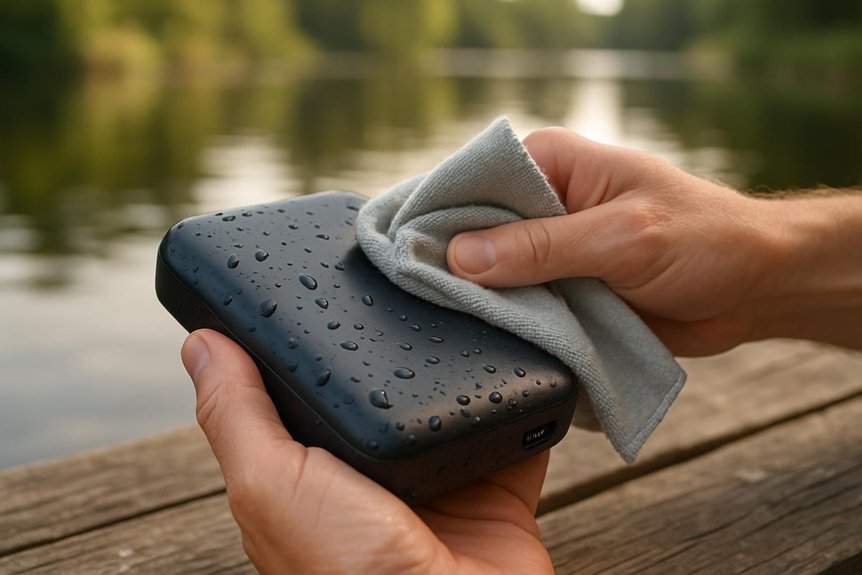
To clean our waterproof charger safely, we need to remove dirt and debris without compromising its seals. We’ll use gentle methods like soft brushes and mild cleaning solutions to avoid damage. Let’s focus on techniques that maintain the charger’s integrity while ensuring thorough cleaning.
Removing Dirt And Debris
Start by inspecting the charger’s exterior for any visible dirt, dust, or debris that could compromise its waterproof seals. To guarantee peak function and longevity, we need to apply effective dirt removal techniques and implement debris prevention tips. Follow these steps:
- Use a soft-bristled brush to gently dislodge loose dirt without damaging seals.
- Wipe the surface with a lint-free cloth to remove finer particles.
- Check connector ports for trapped debris and clear them with compressed air if necessary.
- Store the charger in a sealed, dust-free container when not in use to prevent accumulation.
Consistent application of these practices helps maintain the charger’s waterproof integrity and reduces the risk of malfunction caused by contaminants.
Using Gentle Cleaning Methods
When we clean our waterproof charger, we must choose methods that protect its delicate seals and electronic components. Using gentle materials like microfiber cloths and soft brushes prevents damage, while avoiding harsh chemicals preserves the charger’s integrity. Maintaining an appropriate cleaning frequency—ideally after every marine or outdoor use—reduces buildup without overexposure to moisture.
| Cleaning Step | Recommended Material | Purpose |
|---|---|---|
| Surface Wipe | Microfiber Cloth | Remove dirt and fingerprints |
| Port Cleaning | Soft Brush | Clear debris without abrasion |
| Drying | Lint-free Towel | Prevent moisture retention |
Checking and Protecting Seals and Ports
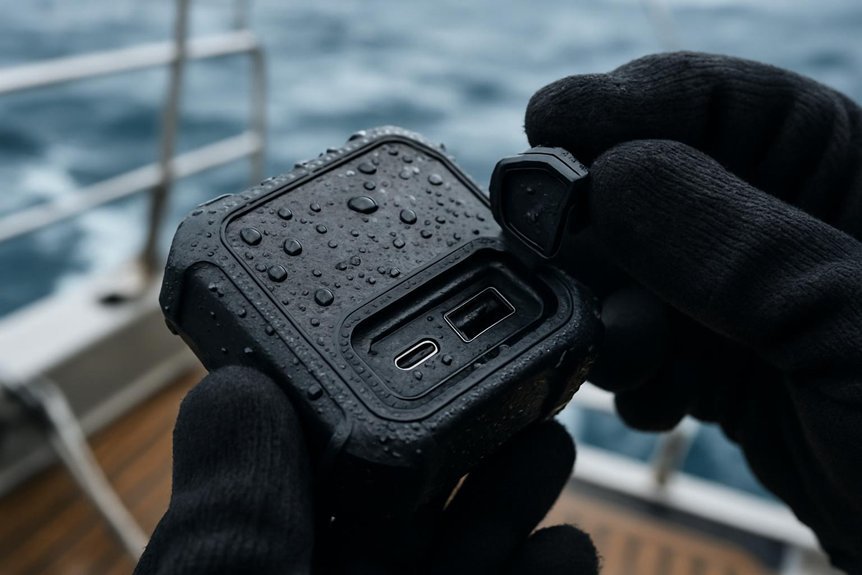
Let’s start by inspecting the seals for any signs of wear or damage that could compromise waterproofing. We need to carefully clean the ports to remove debris without introducing moisture. Finally, we should always guarantee ports are securely covered when not in use to maintain protection.
Inspecting Seal Integrity
Three key areas demand our attention to guarantee the seal integrity of a waterproof charger: the main casing seal, port covers, and any gasket interfaces. Employing effective seal inspection techniques, we systematically check for cracks, deformations, or material fatigue. To maintain peak performance, understanding the seal replacement frequency based on manufacturer guidelines and environmental exposure is essential. Our inspection process includes:
- Visually examining seals under bright light for micro-tears or brittleness.
- Performing gentle pressure tests to detect air or water leakage.
- Verifying port covers close securely without gaps.
- Confirming gasket interfaces fit evenly without warping.
Cleaning and Covering Ports
Although seal integrity is essential, maintaining clean and well-covered ports is equally important to confirm waterproof chargers perform reliably. We must regularly clean debris and salt deposits from various port types to prevent corrosion and maintain connectivity. Using appropriate protective covers designed for each port type shields them from environmental damage and moisture ingress.
| Port Type | Recommended Cleaning Tool | Protective Cover Type | Inspection Frequency | Key Precaution |
|---|---|---|---|---|
| USB-C | Soft brush, isopropyl alcohol | Rubber cap | Weekly | Avoid abrasive materials |
| Micro-USB | Compressed air, lint-free cloth | Silicone plug | Weekly | Confirm complete seal |
| Lightning Port | Soft brush, distilled water | Plastic flap | Weekly | Dry thoroughly |
| DC Input | Soft cloth, mild detergent | Rubberized cover | Biweekly | Check for cracks |
| Proprietary | Soft brush, isopropyl alcohol | Custom-fitted cover | Weekly | Verify snug fit |
Consistent cleaning and covering extend charger longevity in harsh marine and outdoor environments.
Avoiding Damage From Saltwater and Corrosion
Since saltwater accelerates corrosion, we need to take proactive steps to protect our waterproof chargers from its damaging effects. Saltwater exposure can rapidly degrade metal contacts and seals, compromising device integrity. For effective corrosion prevention, let’s follow these key practices:
Saltwater speeds up corrosion, so protecting waterproof chargers is essential to maintain their durability and function.
- Rinse chargers with fresh water immediately after saltwater contact to remove salt deposits.
- Dry thoroughly using compressed air or a lint-free cloth to prevent moisture retention.
- Apply a thin layer of corrosion-inhibiting spray on exposed metal parts regularly.
- Inspect seals and connectors frequently for signs of wear or corrosion and replace components as needed.
Best Practices for Storing Your Charger Outdoors
When we store our waterproof chargers outdoors, protecting them from environmental factors like moisture, temperature fluctuations, and dust becomes essential to preserve functionality and longevity. For effective outdoor storage, we recommend using weatherproof enclosures or sealed containers that provide a barrier against water ingress and airborne contaminants. Elevating chargers off the ground prevents exposure to puddles and dirt accumulation. We should also guarantee all ports are tightly sealed with caps designed for charger protection. Regularly inspecting seals and cleaning the charger surface removes debris that could compromise waterproofing. Labeling storage locations and avoiding direct sunlight exposure further reduce degradation risks. Implementing these best practices for outdoor storage helps maintain charger reliability and performance in marine and outdoor environments.
How to Handle Extreme Temperatures With Your Charger
Proper storage protects our waterproof chargers from moisture and debris, but temperature extremes pose another significant challenge that can affect their performance and lifespan. To handle these conditions effectively, we must:
- Use thermal insulation materials to buffer chargers against rapid temperature changes.
- Avoid exposing chargers to direct sunlight or freezing surfaces during use and storage.
- Store chargers in temperature-controlled environments whenever possible to minimize thermal stress.
- Monitor temperature extremes regularly and rotate equipment to prevent prolonged exposure to harsh conditions.
Troubleshooting Common Waterproof Charger Issues
Let’s address common issues that can affect our waterproof chargers, starting with charging connectivity problems that often stem from damaged ports or faulty cables. We’ll also cover how to detect water ingress, which can compromise internal components despite the waterproof design. Finally, we’ll examine power output fluctuations to identify potential causes and guarantee consistent performance.
Charging Connectivity Problems
A common issue we encounter with waterproof chargers is intermittent or failed charging connectivity. This often stems from disrupted charging signals or physical connection faults. To troubleshoot connectivity issues effectively, we recommend these steps:
- Inspect connectors for corrosion or debris that can block charging signals.
- Verify that the charging cable and port align perfectly to maintain a stable connection.
- Test the charger with a known working power source to isolate the fault.
- Confirm firmware is up-to-date, as outdated software can cause communication errors.
Water Ingress Detection
When water infiltrates a waterproof charger, it can cause short circuits or corrosion that disrupt performance. To identify this issue early, we rely on water detection techniques such as visual inspections and the use of moisture indicators embedded inside the charger casing. These indicators change color upon exposure to water, providing a clear signal of ingress. We recommend routinely checking seals and gaskets for wear and ensuring moisture indicators are visible and functional. Advanced water detection techniques include electronic sensors that monitor internal humidity levels, alerting us before damage occurs. By combining these practical methods, we can quickly detect water intrusion, preventing costly repairs and downtime. Consistent monitoring using moisture indicators and water detection techniques is essential for maintaining charger reliability in marine and outdoor environments.
Power Output Fluctuations
Although waterproof chargers are designed to provide stable power output, fluctuations can still occur due to various internal or external factors. Maintaining power stability is critical, especially in marine and outdoor settings where environmental effects are unpredictable. Let’s pinpoint common causes:
- Moisture intrusion – Even minor water ingress can disrupt circuitry, causing voltage instability.
- Temperature extremes – High or low temperatures affect battery efficiency and output consistency.
- Corrosion buildup – Saltwater exposure accelerates corrosion, impeding electrical connections.
- Component wear – Aging capacitors and regulators may degrade, leading to erratic power delivery.
Regular inspection and cleaning, combined with environmental protection measures, help guarantee consistent output and prolong charger lifespan.
Choosing the Right Accessories for Marine Use
Since marine environments expose chargers to saltwater, humidity, and constant movement, selecting the right accessories is crucial to guarantee durability and performance. We recommend choosing marine accessories specifically designed for corrosion resistance and water sealing. Look for materials like marine-grade stainless steel or reinforced polymers that withstand saltwater exposure. Proper mounting hardware is necessary; vibration-resistant clamps and secure fasteners prevent dislodging during motion. Additionally, incorporating protective covers or enclosures rated IP67 or higher safeguards chargers from moisture ingress. Integrating compatible outdoor gear, such as waterproof cables and connectors, guarantees reliable power transmission without compromise. By prioritizing these technical specifications in your accessory selection, we maintain charger integrity and prolong operational life, even in harsh marine conditions. Thoughtful accessory choices directly impact the overall efficiency and safety of your waterproof charging system.
When to Replace Your Waterproof Charger?
Proper selection and maintenance of accessories help extend the life of your waterproof charger, but even the best equipment eventually reaches the end of its serviceable life. Recognizing replacement indicators is essential to avoid failures during marine or outdoor use. Key signs that your charger lifespan is concluding include:
Proper care extends your waterproof charger’s life, but knowing replacement signs prevents unexpected outdoor failures.
- Visible damage to the waterproof seals or casing compromising water resistance.
- Consistent charging failures or irregular power delivery.
- Corrosion or rust on connectors despite routine cleaning.
- Excessive heat generation during operation, indicating internal component degradation.
Tips for Extending the Lifespan of Your Waterproof Charger
To maximize the lifespan of our waterproof charger, we need to adopt targeted care routines that address its specific vulnerabilities. First, following strict outdoor usage guidelines is crucial: always verify all seals are intact before exposure to water and avoid submerging the charger beyond its rated depth. Regularly clean the charging ports with a soft, dry cloth to prevent salt, sand, or debris buildup, which can degrade performance over time. Store the charger in a cool, dry place when not in use to prevent moisture accumulation and corrosion. Additionally, avoid excessive bending or twisting of cables to reduce internal wire damage. By consistently applying these charger longevity tips, we can greatly enhance durability and reliability, ensuring ideal function in marine and outdoor environments for extended periods.
Frequently Asked Questions
Can Waterproof Chargers Be Used With Solar Panels?
Yes, we can use waterproof chargers with solar panels, ensuring solar compatibility. We must verify voltage and current ratings to maintain ideal charging efficiency, preventing damage and maximizing performance in outdoor conditions.
Are Waterproof Chargers Safe on Boats During Storms?
We trust, we prepare, we secure. Yes, waterproof chargers are safe on boats during storms when we prioritize storm preparedness and guarantee ideal charger placement away from direct water exposure, maintaining reliable function and safety.
How Do Waterproof Chargers Affect Device Charging Speed?
We’ve found waterproof chargers maintain charging efficiency without significant loss, even in harsh environments. They protect devices from environmental impact, ensuring stable power delivery and reliable charging speeds during outdoor or marine use.
Can I Use Waterproof Chargers With Wireless Charging Pads?
We can’t guarantee waterproof charger compatibility with wireless charging pads due to wireless charging limitations, like interference from protective casings. Always check device specs and test compatibility to verify effective and safe wireless charging performance.
Do Waterproof Chargers Require Special Certification for Marine Use?
Ever wondered what keeps a charger reliable on rough seas? Yes, waterproof chargers need specific marine standards certification to guarantee charger durability against saltwater, humidity, and impact. Let’s prioritize certified devices for safe, lasting marine use.
Conclusion
By treating our waterproof chargers like trusted crew members, we guarantee smooth sailing on every adventure. Regular maintenance—cleaning, inspecting seals, and guarding against corrosion—keeps them shipshape and ready to perform. Let’s store them wisely and troubleshoot promptly to avoid unexpected failures. With the right care and accessories, we can extend their lifespan, steering through marine and outdoor challenges confidently. Together, we safeguard our gear and power our journeys without a hitch.