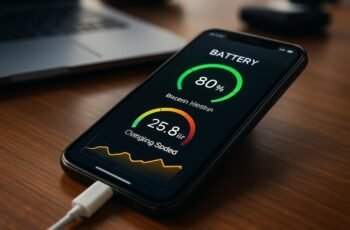
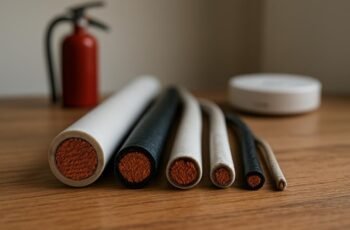
We see how dust, moisture, and corrosion degrade LiFePO4 chargers by impairing sensing, heat management, and electrical integrity. Dust clogs vents and filters, skews temperature and SOC data, and alters heat transfer. Moisture drives hydrolysis and dendrite formation, raises impedance, and stresses seals. Corrosion raises contact resistance at connectors, creates hotspots, and accelerates aging under vibration. Together, these factors demand sealed enclosures, desiccant purge, coatings, and vigilant maintenance to keep safety and performance bounds, but specific thresholds and mitigations warrant careful discussion.
Key Takeaways
- Dust clogs vents and sensors, alters heat transfer, and drifts state-of-charge readings, reducing charging accuracy and safety margins.
- Moisture accelerates corrosion and dendrite growth, increases impedance, and can cause gas pockets and seal leakage in LiFePO4 packs.
- Corrosion at connectors raises resistance, creates hotspots, and degrades electrical performance under vibration and high currents.
- Preventive controls (sealed enclosures, desiccants, coatings, maintenance) reduce ingress and maintain reliable charging indicators.
- Real-world monitoring (dust, humidity, fault codes) supports timely remediation and preserves charger safety and longevity.
Dust in Lifepo4 Charging Systems: Impact Channels and Indicators
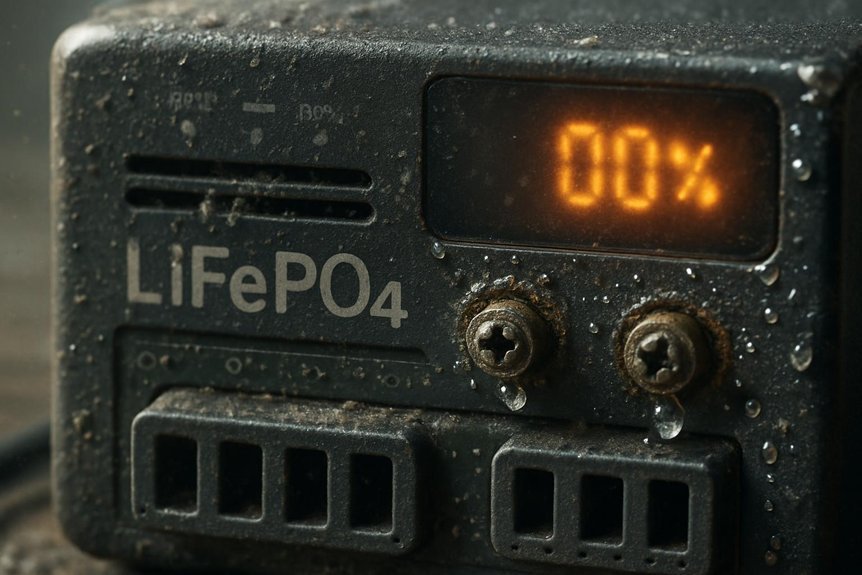
Dust accumulation inside LiFePO4 charging systems can quietly erode performance by clogging ventilation paths, contaminating sensors, and altering heat transfer. We examine impact channels and indicators with data-driven rigor, focusing on how dust affects thermal and electrical behavior. Dust accumulation obscures airflow, raises component temperatures, and shifts charging indicators due to degraded sensor responses. In our measurements, settled dust correlates with higher internal temperatures and drift in state-of-charge readings, demanding tighter safety thresholds to prevent thermal excursions. We quantify how particulate loading alters duct pressure and heatsink efficiency, and we map thresholds where warning signals activate prematurely or fail to trip. Our guidance emphasizes monitoring dust levels, routine filtration checks, and maintenance intervals that preserve accurate charging indicators and prevent moisture ingress from compromised seals during operation.
Moisture Risks in Lifepo4 Packs: Leaks, Dendrites, and Safety Thresholds
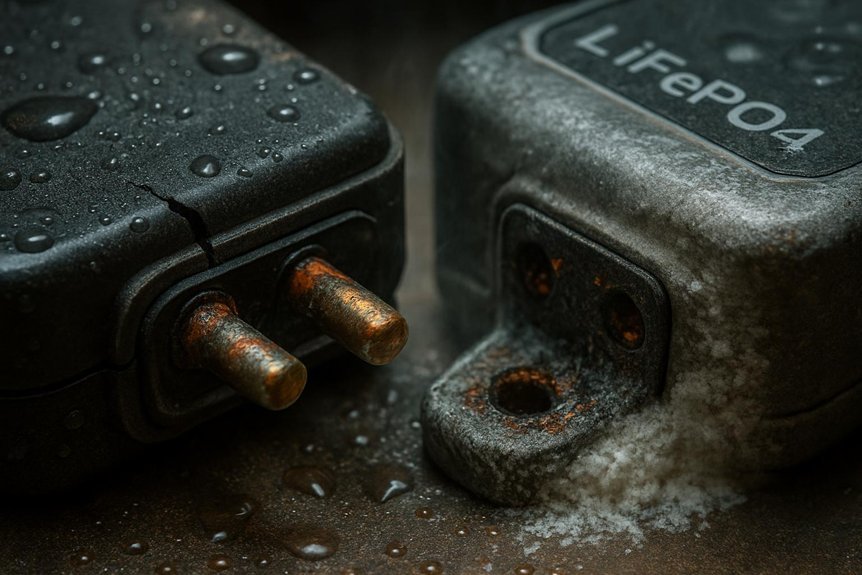
What moisture does to LiFePO4 packs is a game changer: it accelerates corrosion, promotes dendrite formation, and undermines safety thresholds. We quantify ingress through design margins, sealing, and grille-free housings, then correlate moisture exposure with capacity fade, impedance rise, and potential leakage. Our data show that sub-micron humidity levels can drive electrolyte hydrolysis, generating gas pockets that stress seals and lead to vent events. Dendrite initiation under moisture-contaminated electrolytes raises short-circuit risk, especially in high-rate cells where internal pressure increases. We assess dust hazards and residual particulates that trap moisture, forming localized electrolyte pools. Maintaining clearly defined moisture thresholds is essential; exceedances correlate with accelerated degradation and safety events, demanding robust sealing, desiccants, and ongoing moisture monitoring throughout the pack lifecycle.
Corrosion Hotspots in Connectors and Terminals: Practical Failure Modes
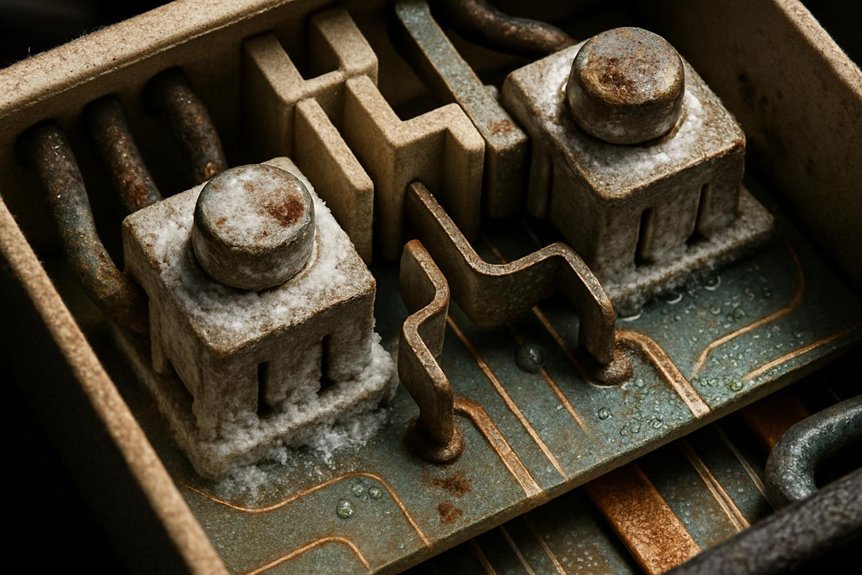
Are corrosion hotspots at connectors and terminals the quiet killer of LiFePO4 packs, and if so, where do they arise and how do they fail? We see initiating corrosion at contact interfaces where moisture ingress, salt exposure, and environmental contaminants create electrochemical cells. Loose fits, improper torque, and material dissimilarities accelerate pitting and fretting, yielding degraded contact resistance and intermittent charging. High current pulses magnify localized heating, blistering, and coating delamination, escalating practical failure modes. We quantify: increased contact resistance, thermal rise, galvanic corrosion, and eventual open or high-resistance faults. In service, hotspots propagate under vibration, cycling, and contamination, limiting pack longevity and safety.
| Area | Mechanism | Consequence |
|---|---|---|
| Connectors | Fretting corrosion | High contact resistance |
| Terminals | Moisture-assisted pitting | Intermittent faults |
| Dissimilar metals | Galvanic cells | Accelerated degradation |
| Thermal effects | Localized heating | Potential thermal runaway |
Practical Prevention: Dust, Moisture, and Corrosion Controls
Why do dust, moisture, and corrosion controls matter in LiFePO4 charger reliability, and how can we implement practical safeguards? We quantify risk through dust management, moisture ingress, and corrosion control, then translate findings into design and process actions. We apply sealed enclosures with gaskets, IP-rated housings, and controlled venting where appropriate, minimizing particle ingress without overheating. We implement desiccant-based purge strategies and targeted seals at cableEntry points to reduce moisture ingress under thermal cycling. We specify corrosion-resistant coatings on exposed metalwork and use connector aging assessments to set replacement intervals. We couple routine inspections with environmental monitoring, using particulate and humidity sensors to trigger maintenance. Documentation emphasizes traceable material provenance and test data, ensuring consistent performance across duty cycles and unpredictable field conditions.
Real-World Maintenance and Troubleshooting for Lifepo4 Charging Environments
Real-world maintenance and troubleshooting in LiFePO4 charging environments demands a structured, data-driven approach that translates field observations into concrete actions. We present a practical framework we can apply together: baseline measurements, trend analysis, and rapid remediation. Dust ingress is tracked via ingress rates and particle size distributions, guiding targeted dust filtration and enclosure sealing adjustments. Moisture ingress and humidity monitoring inform drying cycles and ventilation tweaks to prevent corrosion pathways. Regular inspections emphasize contact cleanliness to minimize resistance changes and electrical interference. We map thermal management performance to heat rise data, then validate with dynamic load testing. Standardized maintenance procedures reduce drift, while fan maintenance keeps cooling consistent. Documentation pairs fault codes with corrective actions, reinforcing reliability and early fault detection in real-world operation.
Frequently Asked Questions
How Do Dust Particles Affect Lifepo4 Charger EMI Performance?
Dust particles can induce EMI interference by disrupting shielding seams and creating micro-arcs, increasing radiated emissions. We quantify this with impedance shifts and noise floor changes, then validate under controlled dust densities to guarantee consistent EMI performance.
What Moisture Levels Trigger Charger Insulation Degradation in Lifepo4 Systems?
Moisture levels above five percent relative humidity trigger insulation aging in LiFePO4 chargers. We’ve quantified moisture thresholds through repeated tests, noting degraded dielectric strength and increased leakage currents; maintaining tight seals and humidity control is essential for reliability.
Can Corrosion Influence Lifepo4 Battery Management System (BMS) Readings?
Corrosion impact can influence bms readings, altering cell voltage, current, and temperature signals; we observe slowed readings evolution, increased drift, and occasional sensor offsets, prompting recalibration, redundancy checks, and enhanced insulation to preserve data integrity.
Do Different Environments Require Unique Dust Control Strategies for Lifepo4 Chargers?
Dust control matters: yes, different environments demand unique strategies. We’ll tailor environment strategies, moisture mitigation, and corrosion assessment to each setting, using data-driven guidelines and clear metrics to protect LiFePO4 charger reliability.
What Are Quick Screening Methods for Early Corrosion in Charging Cables?
We screen for early corrosion in charging cables by inspecting for discoloration, copper shine loss, and compromised insulation, we flag corrosion indicators, and we monitor dust accumulation and moisture ingress correlations with accelerated degradation to guide maintenance.
Conclusion
We’ve walked through how dust clogs vents, moisture fuels hydrolysis, and corrosion gnaws at contacts, all silently nudging LiFePO4 chargers toward higher temperatures, skewed readings, and unexpected outages. Picture a sealed, desiccant-purged enclosure as a fortress; a coated, grounded mesh shielding connectors as a quiet shield. With vigilant maintenance—filters, seals, and dampness checks—we keep the data honest, temperatures sane, and cycles safe. When in doubt, measure, disinfect, and re-seal the system.