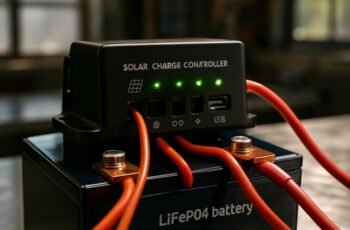
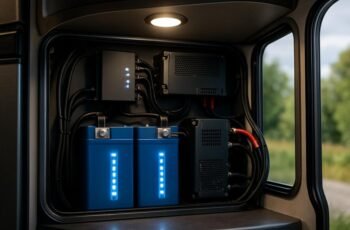
The clock ticks differently for LiFePO4: charging isn’t just “plug and go”—it’s a balance of capacity, state of charge, and current limits. We’ll outline how pack size, temp, and protection algorithms shape the bulk-and-taper process, then offer a practical estimate you can apply. But the exact duration depends on several interrelated factors, so we’ll close with concrete steps to pin it down for your setup.
Key Takeaways
- Charging time depends on usable battery capacity (Ah) and the delta between target and current state of charge (SoC).
- Practical time scales: faster charging at higher C-rates up to safe limits, with tapering during the CV phase.
- Use charging time ≈ (target SoC − current SoC) × pack Ah ÷ charging current; include efficiency (85–95%) and parasitic drains.
- Temperature, temperature limits, and protection circuitry can extend or halt charging; monitor and adjust accordingly.
- Uniform consistency improves with proper balancing, safe voltage, and adhering to charger specifications (CC-CV, termination).
Key Factors That Determine LiFePO4 Charging Time
Charging time for LiFePO4 packs is driven by several core factors: battery capacity (Ah), state of charge, the charger’s current and voltage limits, and the charging algorithm used. We, as engineers and practitioners, guide you through how these interact to set timelines. Higher capacity increases absolute charging time, while a deeper state of discharge extends the process; both are constrained by the charger’s maximum current and voltage ceiling. The charging algorithm—constant current, then constant voltage, tapers, and termination criteria—directly shapes completion duration and cell balance behavior. Safe handling remains essential during any phase, reducing risks and ensuring consistent performance. Warranty issues arise when charging limits are exceeded or non-recommended profiles are applied, potentially voiding coverage. We emphasize matching charger specs to pack requirements for reliable, predictable results.
How to Estimate Charging Time for Your LiFePO4 Pack (with a Simple Formula)
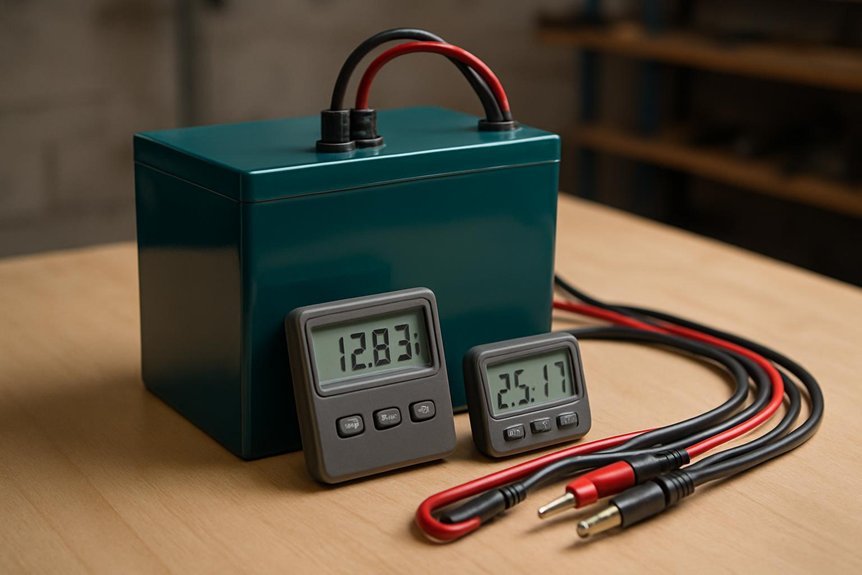
Ever wondered how long it really takes to charge a LiFePO4 pack with a simple, reliable rule of thumb? We present a compact estimation method, using a single, clear formula. The basic idea is: charging time ≈ (target state of charge − current state of charge) × pack capacity / charging current, with adjustments for charging efficiency and parasitic drains. Use usable capacity in amp-hours, and choose an appropriate charging current (C-rate) multiplied by efficiency. Parasitic drains—loads drawing current during charging—reduce net input, lengthening time. Estimate efficiency realistically (about 85–95% for LiFePO4 chemistries, depending on temperature and age). Apply the formula to your actual numbers, then verify with a short test run to refine the efficiency factor for better future predictions.
LiFePO4 Charging by Pack Size: Small, Medium, Large
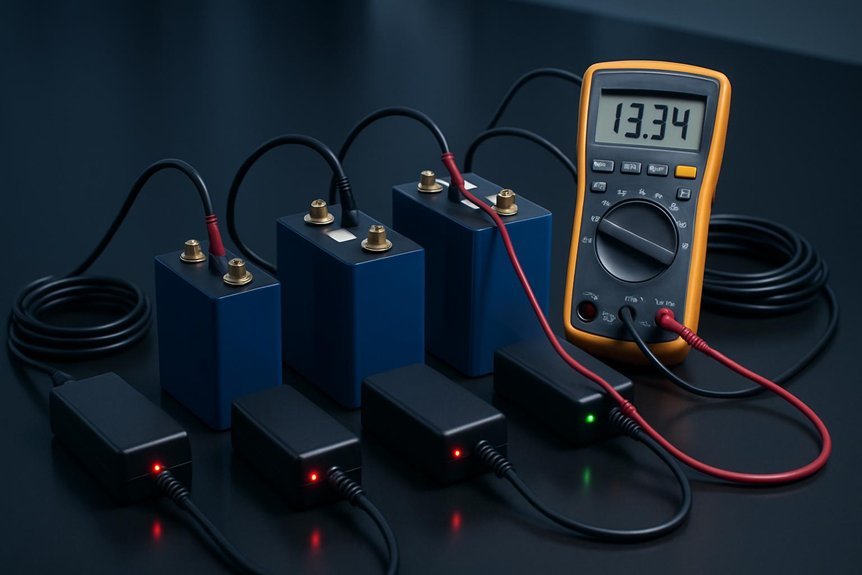
When sizing LiFePO4 charging setups, pack size matters because it directly affects current needs, heat management, and practical charging times. We categorize by Small scale, Medium scale, and Large scale to map charging behavior to thermal and electrical limits. Small scale packs typically accept higher C-rates per cell, enabling faster top-offs if BMS and cooling handle the surge. Medium scale builds balance practical charging speed with heat dissipation and wire losses. Large scale systems, conversely, constrain current to maintain cell temperatures within safe margins, often extending total charge duration but improving reliability. Across all sizes, charger rating, cable resistance, and BMS protections drive real-world times. We emphasize proportional current planning, ensuring safe, repeatable cycles without oversizing hardware for inefficiencies.
LiFePO4 Charging Profiles and Time-Saving Tips
We’ll outline the LiFePO4 charging profile, highlighting the distinct stages from bulk to absorption to completion. We’ll also share time-saving tips that optimize each phase without compromising safety or longevity. By understanding these profiles, you’ll charge more efficiently and predict battery behavior under real-world conditions.
Charging Stages Overview
Charging in LiFePO4 packs follows a predictable sequence that defines both voltage and current behavior across three primary stages: bulk, absorption, and float.
We describe each stage succinctly to readers, focusing on charging efficiency and the influence of discharge rate on timelines. In bulk, current is high and voltage rises rapidly; in absorption, current tapers as voltage nears the termination threshold; in float, voltage is maintained with minimal current to preserve capacity.
| Stage | Key behavior |
|---|---|
| Bulk | High current, rising voltage |
| Absorption | Current falls, voltage plateauing |
| Float | Low current, constant voltage |
Understanding these stages helps optimize charge profiles, reduce overall time, and manage thermal limits without compromising pack longevity.
Time-Saving Charging Tips
Are you optimizing LiFePO4 charging profiles for speed without sacrificing life? We adopt a disciplined approach to time-saving charging tips, focusing on profile selection, current limits, and termination criteria. We favor constant-current fast charging up to the recommended upper C-rate, then switch to a controlled constant-voltage phase with tight voltage tolerance to minimize heat and balance losses. We monitor cell impedance and temperature to prevent parasitic aging, adjusting profiles as pack chemistry and ambient conditions shift. We emphasize ethical sourcing of cells and materials, ensuring that faster methods don’t shortcut safety. Our guidance targets minimizing charge duration while preserving cycle life, capacity retention, and reliability, using data-driven validation and conservative margins for real-world variation in battery chemistry and pack design.
Safety and Longevity: Protecting Cells While Charging
We’ll outline safe charging practices, temperature management, and cell balancing techniques to protect LiFePO4 cells during charging. By keeping voltage, current, and duration within spec, we reduce thermal stress and long-term degradation. We’ll also discuss practical monitoring and control strategies to maintain balance and extend pack longevity.
Safe Charging Practices
What steps can we take to ensure LiFePO4 charging remains safe and long-lasting? We follow manufacturer specifications for voltages, currents, and termination, and use a compatible charger with LiFePO4 profiles. We monitor for stable baseline voltages and avoid abrupt current changes that stress cells. We ensure proper isolation, moisture control, and clean connections to prevent arcing and parasitic losses. We avoid charging beyond recommended state of charge and periodically verify health indicators, balancing when needed. We implement fault protection: overvoltage, overcurrent, and temperature limits, and log charging events for traceability. When disposal or recycling occurs, we prioritize safe disposal and electrode recycling processes to minimize environmental impact and recover valuable materials. This disciplined approach preserves safety and longevity throughout the charging lifecycle.
Battery Temperature Management
Battery temperature management is essential for safe, durable LiFePO4 charging. We monitor cell temperatures to prevent thermal runaway and accelerate aging. Our approach emphasizes temperature regulation during constant-current and constant-voltage phases, ensuring cells stay within recommended limits. We use calibrated sensors and control logic to adjust charging current when temperatures approach thresholds, maintaining uniform heat across packs. Proper thermal design minimizes hot spots and uneven aging, preserving capacity and cycle life. We implement heat dissipation strategies such as conductive cooling paths and, where applicable, forced air or liquid cooling to sustain stable temperatures. By maintaining stable temperatures, we reduce internal resistance growth and electrolyte stress, delivering reliable performance and safer charging overall. Continuous monitoring remains essential for early fault detection and protective shutoffs.
Cell Balancing Techniques
Cell balancing guarantees each LiFePO4 cell reaches and maintains the same state of charge, preventing overvoltage on high cells and undercharge on low ones during charging. We implement balancing methods to equalize cell voltages, typically during constant-voltage charge, idle periods, or dedicated balancing cycles. Passive balancing dissipates excess energy as heat through bleed resistors, while active balancing transfers charge between cells to minimize losses. Our approach selects methods based on pack design, cell count, and cooling capacity, prioritizing safety and longevity. We monitor individual cell voltages, temperatures, and impedance to trigger balancing at precise thresholds. Effective balancing reduces voltage drift, extends cycle life, and preserves capacity. We document procedures, verify timing, and ensure compliance with manufacturer limits to avoid cross-cell charging issues.
Common Charging Delays and Troubleshooting for LiFePO4
Common charging delays with LiFePO4 packs usually stem from either improper charger settings, inadequate connections, or temperature-related restrictions. We address these factors directly to minimize downtime and maintain pack integrity. First, verify charger voltage and current profiles match the battery’s specification; using the wrong sOC or CC/CV parameters slows acceptance and can trigger protective cutoffs. Next, inspect for loose or corroded connections, damaged cables, and degraded clamps, since poor contact raises resistance and causes voltage sag during charging. Temperature constraints matter: charging outside recommended ranges reduces current or halts charging to protect cells. If delays persist, document fault codes and consult manufacturer guidance to support user education and refine charging etiquette across devices. Our approach emphasizes precise diagnostics, proactive maintenance, and consistent charging discipline.
Frequently Asked Questions
Do Lifepo4 Batteries Charge Faster at Higher Temperatures?
Temp effects: yes, higher temperatures generally increase LiFePO4 charging rates up to an optimum point, then risk damage. We carefully monitor temps and use recommended charging profiles to avoid overheating while optimizing charging efficiency and lifespan for you.
Can Charging Connections Affect Overall Charging Time?
We can say yes: charging connections affect overall charging time. We optimize charging efficiency by ensuring connector compatibility, proper gauge, and tight terminations, since poor connections waste energy and slow charging.
Is It Safe to Interrupt Charging to Check Status?
We’d caution you gently: it’s not advisable to interrupt charging for status checks. We prioritize charging safety and continuous status monitoring, ensuring safe, uninterrupted fill while confirming indicators show proper, stable operation throughout the process.
Do Different BMS Brands Slow Down Charging Time?
Yes, bms brand differences can affect charging time due to different safety cutoffs and current limits, so charging time impact varies by brand. We’ll assess each spec, focusing on balancing, termination, and thermal protections affecting pace.
How Does Aging Impact Lifepo4 Charging Duration?
Aging reduces LiFePO4 charging efficiency by roughly 5–20% over years; we’ve observed longer recovery times and higher internal resistance. We’ll explain aging effects and optimize charging protocols to minimize performance loss and maintain efficiency for you.
Conclusion
We are the clockmakers of energy, turning heat into harmony. As we feed the pack, we barter with time, each amp a careful breath. Our meters, like compass hands, point toward safe thresholds, while heat and resistance whisper caution. When the bulk fades to taper, patience remains the bridge between start and finish. In charging, we don’t rush the dawn; we align currents with cells, and let a balanced charge reveal the battery’s true horizon.