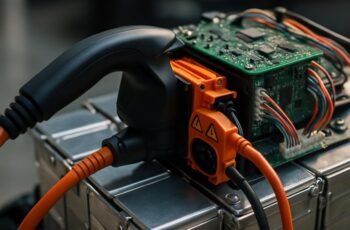
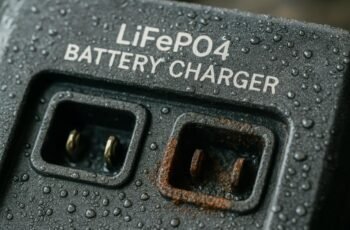
We all know that sometimes connections don’t align as smoothly as we’d like, and when it comes to charging our devices, this misalignment can lead to reverse polarity issues. This subtle yet critical problem can silently compromise your device’s integrity if left unchecked. Understanding how reverse polarity occurs and how to prevent it is essential for maintaining device reliability—and there’s more to explore about protecting your gadgets from this hidden risk.
Key Takeaways
- Always verify charger and device polarity markings before connection to avoid reversed current flow.
- Use chargers and cables with built-in polarity protection and clear polarity indicators.
- Employ keyed or asymmetrical connectors to prevent incorrect insertion and polarity reversal.
- Utilize polarity protection devices like diodes or MOSFET circuits to block reversed current damage.
- Regularly inspect wiring, connectors, and cables for damage, wear, or misalignment to maintain correct polarity.
What Reverse Polarity Means and Why It’s Dangerous
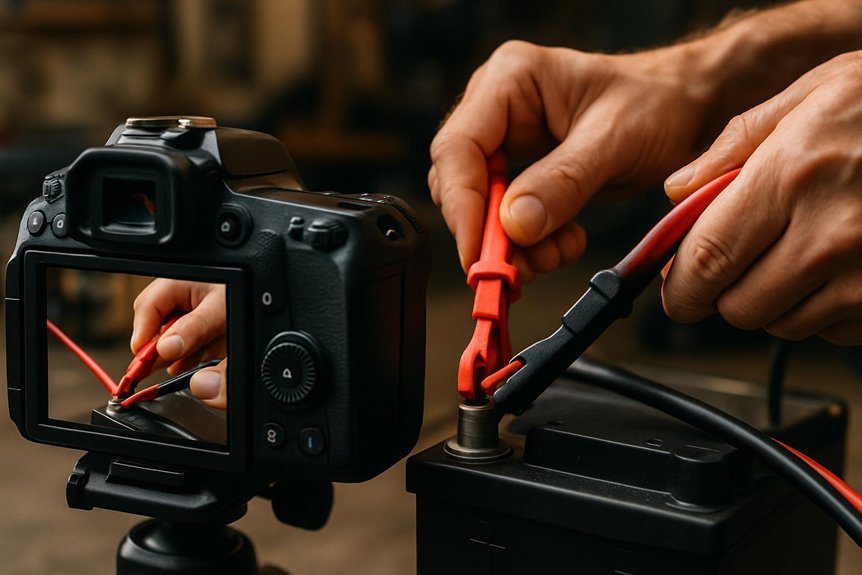
Reverse polarity occurs when the positive and negative connections in an electrical circuit are swapped, causing current to flow in the opposite direction from what the system is designed to handle. This misalignment can disrupt normal device operation and lead to significant electrical hazards. When reverse polarity happens, components may experience excessive stress, potentially causing overheating, short circuits, or permanent damage. We must recognize that many electronic systems rely on polarity-sensitive components like diodes, capacitors, and integrated circuits, which can fail catastrophically under reversed current flow. Understanding the risks associated with reverse polarity is essential for designing safeguards that prevent damage and guarantee operational safety. By analyzing how reverse polarity introduces electrical hazards, we can better appreciate the importance of proper connection practices and protective measures in electrical systems.
How Reverse Polarity Happens During Charging
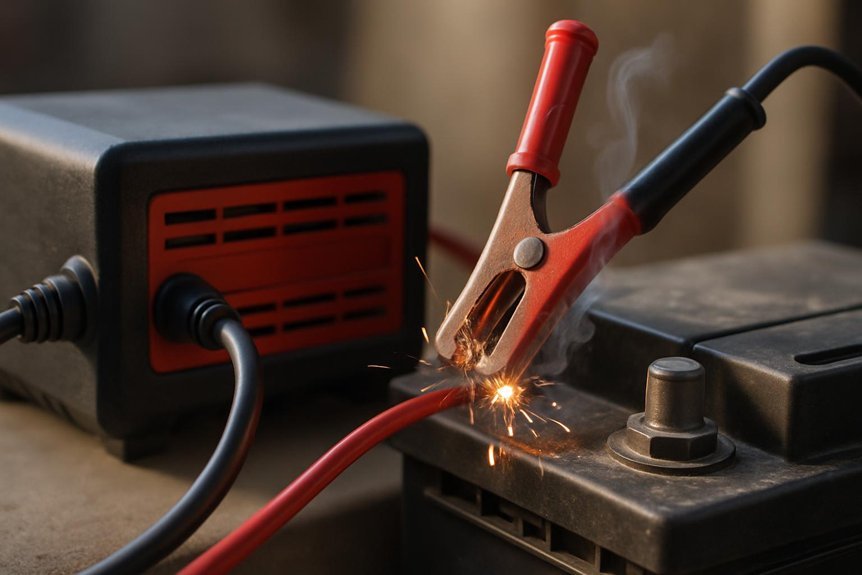
We often encounter reverse polarity during charging due to common wiring mistakes that swap positive and negative leads. Connector compatibility issues can also cause improper alignment, leading to reversed connections. Additionally, errors in polarity identification increase the risk of damaging the device or power source.
Common Wiring Mistakes
Although modern charging systems often include safeguards, common wiring mistakes still lead to polarity reversal during the connection process. One frequent error involves ignoring or misinterpreting wiring color coding, which is essential for correctly identifying positive and negative terminals. When installers or users connect wires without verifying color standards—such as red for positive and black or blue for negative—there’s a significant risk of reversing polarity. Additionally, inadequate circuit protection exacerbates the problem; without properly rated fuses or diodes, reversed connections can cause immediate damage. We must emphasize strict adherence to wiring color coding and incorporate robust circuit protection components to minimize these errors. By doing so, we can substantially reduce the likelihood of reverse polarity incidents during charging operations.
Connector Compatibility Issues
When charging systems use connectors that aren’t fully compatible, polarity reversal can easily occur due to mismatched pin configurations or non-standardized designs. Different connector types often assign positive and negative pins in varying arrangements, which can lead to reversed connections if adapters or cables are interchanged without verifying compatibility. Adapter compatibility becomes critical, especially when third-party or universal adapters are involved, as they may not adhere to the original equipment manufacturer’s polarity standards. This lack of standardization increases the risk of connecting the charger incorrectly, causing reverse polarity. To prevent this, we must rigorously evaluate connector types and ascertain adapter compatibility before use. Employing connectors with clear polarization keys or coding can also reduce the likelihood of incorrect insertion and subsequent reverse polarity damage.
Polarity Identification Errors
Connector mismatches are just one factor that leads to reverse polarity issues, but identifying polarity correctly during charging presents its own set of challenges. Polarity identification errors often stem from polarity confusion when interpreting wiring diagrams or color codes. Even slight deviations in standard wiring conventions can cause technicians to misread the positive and negative terminals, leading to reversed connections. Inconsistent labeling or damaged connectors exacerbate this risk, making visual verification unreliable. To minimize errors, we must rigorously cross-reference wiring diagrams and employ polarity testers before initiating charging. Automated polarity detection systems can further reduce human error. By addressing these identification pitfalls, we strengthen our defenses against reverse polarity damage and guarantee the charging process remains safe and effective.
Signs Your Device Is Suffering From Reverse Polarity Damage
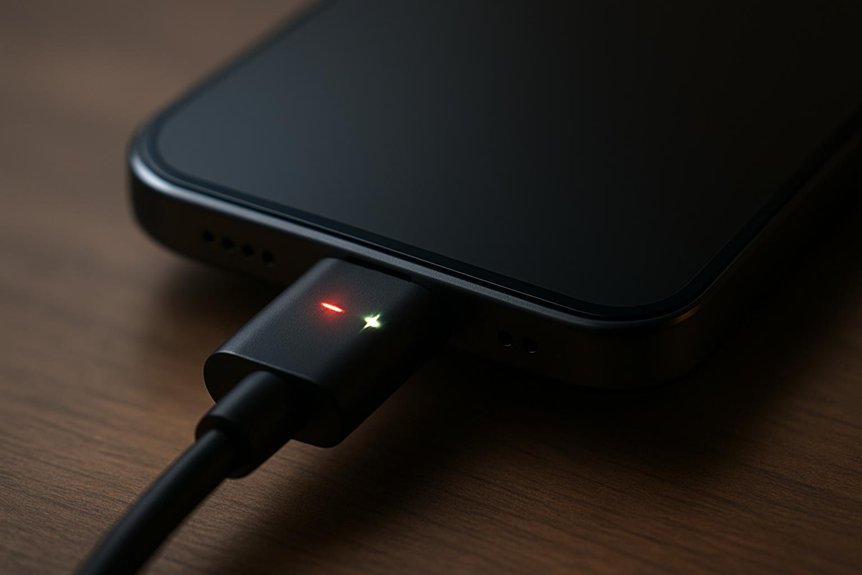
How can we accurately identify if a device is suffering from reverse polarity damage? Recognizing device symptoms early is essential. Common damage indicators include failure to power on, erratic behavior, and unexpected shutdowns. We may also notice burned components or a distinct burnt smell near the power input. Additionally, inconsistent voltage readings or blown fuses often point to polarity issues. Analyzing these symptoms systematically helps us differentiate reverse polarity damage from other malfunctions. It’s important to inspect the device’s internal circuitry for visible damage, such as scorched traces or damaged diodes. By monitoring these precise damage indicators and device symptoms, we can diagnose reverse polarity damage more effectively and take timely corrective actions before further deterioration occurs.
Simple Steps to Check Charger Polarity Before Connecting
Before connecting a charger, we need to identify its polarity to prevent damage. Using a multimeter correctly allows us to verify positive and negative terminals with precision. Additionally, inspecting the charger connectors for markings or signs of wear helps guarantee proper alignment and safe connection.
Identifying Charger Polarity
Although many chargers look similar, we must verify their polarity to avoid damaging our devices. The first step is to inspect the charger markings, usually printed or embossed near the connector or on the label. These charger markings often include polarity indicators—a diagram showing which part of the plug is positive and which is negative. Typically, a “+” symbol points to the center pin or barrel tip, and a “–” symbol points to the outer casing. By analyzing these polarity indicators, we can confirm the charger’s output configuration. It’s essential to cross-check these markings with the device’s polarity requirements before connecting. This initial visual verification reduces the risk of reverse polarity, safeguarding our equipment and ensuring proper charging functionality.
Using a Multimeter Properly
Visual inspection of charger polarity markings gives us a preliminary understanding, but confirming these details with a multimeter provides definitive verification. To begin, we set the multimeter basics by selecting the DC voltage measurement mode, ensuring the range exceeds the charger’s output voltage. Next, we connect the multimeter probes carefully—red to the charger’s positive terminal and black to the negative. Employing proper measurement techniques, we observe the polarity indicated by the multimeter’s display: a positive reading confirms correct polarity, while a negative reading signals reverse polarity. By following these steps precisely, we eliminate guesswork and prevent damage from incorrect connections. Mastering proper multimeter use is essential for safe charging practices and protects both equipment and users from potential harm.
Inspecting Charger Connectors
When we inspect charger connectors, we focus on identifying polarity markings and physical features that indicate correct orientation. First, we examine the connector for clear polarity symbols, such as plus and minus signs, which are essential for confirming proper alignment. Next, we apply connector maintenance tips by checking for corrosion, bent pins, or debris that could disrupt contact and mislead polarity detection. Using charger inspection techniques, we verify the connector’s shape and keying—these mechanical guides prevent incorrect insertion. We also guarantee the connector fits snugly without forcing, as resistance may indicate misalignment. By methodically following these steps, we reduce the risk of reverse polarity damage, safeguarding both the charger and device. Consistent inspection reinforces safe, reliable charging practices.
Choosing Chargers and Cables That Prevent Polarity Mistakes
Since incorrect polarity can cause significant damage to electronic devices, selecting chargers and cables designed to prevent polarity mistakes is essential. When choosing the right components, we must consider:
- Charger types: Opt for chargers with built-in polarity protection or smart circuitry that automatically detects and corrects polarity issues.
- Cable materials: Use cables made from high-quality conductors with clear polarity markings to minimize confusion during connection.
- Connector design: Favor connectors engineered to be foolproof, such as keyed or asymmetrical plugs, which physically prevent reverse insertion.
Using Polarity Protection Devices to Safeguard Your Gadgets
Although selecting the right chargers and cables reduces risk, we can’t eliminate the possibility of reverse polarity entirely. That’s where polarity protection devices come in. These components, such as diodes, MOSFET-based circuits, or dedicated polarity protection ICs, act as safeguards by blocking or redirecting current flow when polarity is reversed. Incorporating such devices into charging systems helps prevent damage to internal circuitry, ensuring uninterrupted operation. From an analytical standpoint, polarity protection greatly enhances device longevity by mitigating stress caused by incorrect voltage application. When evaluating protection strategies, we should consider voltage drop, response time, and power dissipation to optimize performance without compromising efficiency. By integrating polarity protection devices, we build a robust defense layer that complements proper charger and cable selection, securing our gadgets against reverse polarity damage.
How to Correctly Connect Your Charger Every Time
To guarantee we avoid reverse polarity issues, we must consistently connect chargers with careful attention to correct orientation and secure contact. Different charger types—such as barrel plugs, USB connectors, or specialized proprietary chargers—demand distinct connection techniques. Misalignment or forcing connections can lead to polarity reversal and potential damage.
Let’s focus on three key practices:
- Verify the polarity markings on both charger and device before connecting.
- Align connector shapes precisely without applying excessive force.
- Ascertain firm, stable contact to prevent intermittent connections that might cause polarity confusion.
Troubleshooting Common Reverse Polarity Charging Issues
When we encounter charging issues, reverse polarity often stands as a primary suspect. To troubleshoot effectively, we first verify the charger’s polarity alignment with the device’s terminals, ensuring no connection errors exist. Misaligned connectors can trigger voltage reversal, risking battery safety by causing overheating or permanent damage. Next, we inspect the charging cable and connectors for wear or damage that might induce polarity faults. Utilizing a multimeter allows us to measure voltage direction and confirm correct polarity before connecting. If the device has built-in reverse polarity protection, we check if it has been compromised by prior misuse. By systematically eliminating these factors, we isolate the root cause, preserving battery safety and preventing costly repairs linked to reverse polarity charging errors.
Best Practices to Keep Your Devices Safe From Polarity Damage
Because reverse polarity can cause significant damage, we must adopt effective practices to protect our devices. Ensuring device safety during charging requires a systematic approach that minimizes the risk of polarity errors. Here are key best practices to implement:
- Use smart charging adapters with built-in polarity detection and automatic correction features to prevent improper current flow.
- Consistently verify connector orientation before plugging in, employing keyed connectors that physically prevent reverse insertion.
- Regularly inspect cables and connectors for wear or damage that could expose wiring and lead to polarity faults.
Frequently Asked Questions
Can Reverse Polarity Damage Be Repaired by Professionals?
Yes, we can often repair reverse polarity damage using advanced repair techniques. However, a professional assessment is essential to determine the extent of damage and guarantee accurate restoration, minimizing future risks and optimizing device functionality.
Are Certain Device Brands More Resistant to Reverse Polarity Damage?
When it comes to device compatibility, some brands do hold their own better against reverse polarity damage due to stricter charging standards. We’ve found these standards act as a safety net, enhancing overall resilience during charging mishaps.
Does Reverse Polarity Affect Battery Lifespan Permanently?
Yes, reverse polarity can permanently degrade battery lifespan by damaging battery chemistry and charging circuits. We must analyze specific chemistries and circuit protections to understand the extent of irreversible effects on battery performance and longevity.
Can Software Updates Prevent Reverse Polarity Damage?
We design software safeguards and update charging protocols to detect and prevent reverse polarity. While software can’t fix hardware damage, it can actively block incorrect connections, reduce risk, and enhance overall charging safety and reliability.
Is Reverse Polarity a Concern in Wireless Charging?
We don’t see reverse polarity as a concern in wireless technology because it uses electromagnetic induction for power transfer. This design inherently enhances charging safety by eliminating direct electrical contacts prone to polarity errors.
Conclusion
By understanding reverse polarity, checking charger connections, and choosing compatible cables, we can prevent costly damage. By using polarity protection devices and following proper wiring standards, we guarantee device safety and longevity. By maintaining our equipment and troubleshooting issues promptly, we minimize risks and maximize performance. Together, these steps form an all-encompassing approach that protects our gadgets, preserves functionality, and keeps our charging experience reliable and secure every time.