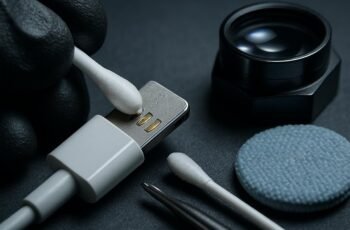
When an electric vehicle charger sparks unexpectedly, it’s often due to connector arcing or a short circuit—issues that can compromise safety and equipment integrity. We need to understand how these faults develop and learn to recognize early warning signs before damage occurs. By examining connector conditions and implementing proper maintenance and protective measures, we can greatly reduce risks. Let’s explore the critical factors that help us prevent these charging hazards.
Key Takeaways
- Disconnect connectors under no-load conditions to minimize arcing risk during charging.
- Regularly inspect and clean connectors to remove debris, corrosion, and oxidation.
- Use protective devices like AFCIs and fuses to detect and interrupt arcing or short circuits.
- Ensure connector compatibility and avoid charging in extreme temperatures to maintain integrity.
- Address visible signs of damage, such as burn marks or deformation, promptly with professional help.
How Connector Arcing Happens During Charging
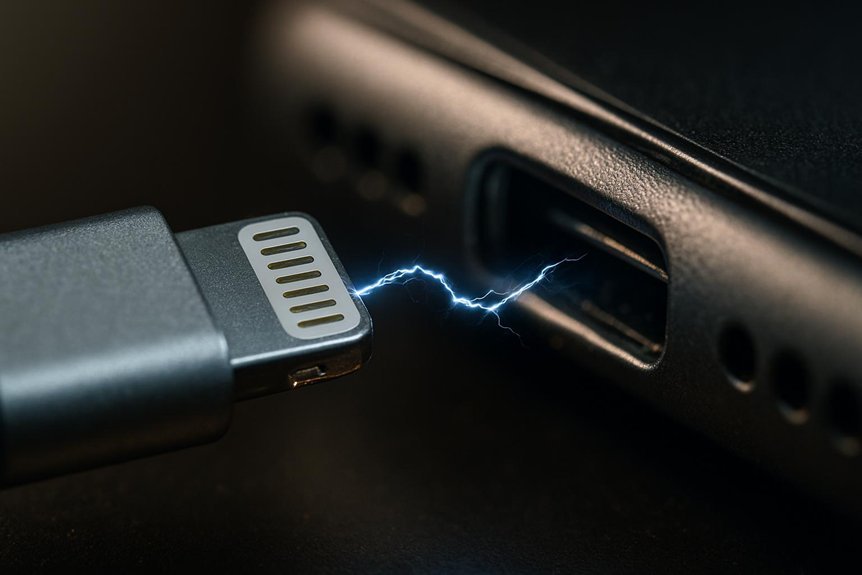
Although connector arcing may seem sudden, it results from specific electrical conditions that occur during charging. When the connector contacts separate under load, an electrical arc forms due to the ionization of air between the contacts. This arc generates intense heat and electrical stress, accelerating connector degradation. Understanding the arcing mechanisms is essential, as repeated arcs compromise the connector lifespan by causing pitting and material erosion. These microscopic damages increase contact resistance, which further promotes arcing during subsequent cycles. By analyzing the interplay between current load, contact separation speed, and material properties, we can better predict when arcing occurs. This insight enables us to design connectors that minimize arcing, ultimately extending their operational life and enhancing charging reliability.
Why Short Circuits Occur in Charging Systems
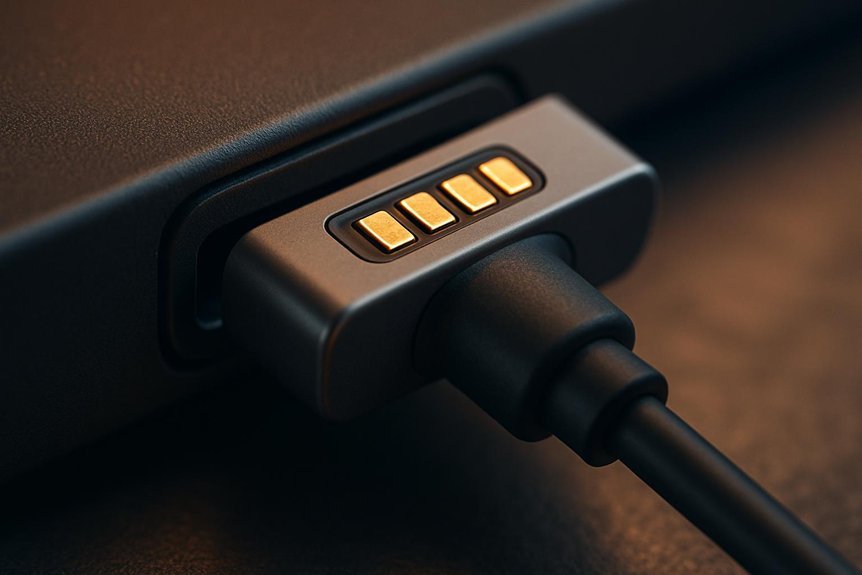
When we examine charging systems, we find that short circuits occur primarily due to unintended low-resistance pathways forming between conductive elements. These pathways often result from insulation failure, connector damage, or contamination such as moisture and debris compromising electrical integrity. Mechanical stress or wear can degrade connector seals, allowing conductive particles to bridge contacts. This breach undermines charging safety by enabling excessive current flow, risking heat generation and potential component damage. Additionally, improper connector design or poor maintenance can exacerbate vulnerability to short circuits. To maintain electrical integrity, we must guarantee robust insulation materials, precise connector assembly, and controlled environmental exposure. Understanding these failure modes helps us implement preventative measures, safeguarding charging systems against short circuits and preserving overall system reliability and user safety.
Signs Your Connector Is Starting to Arc or Short
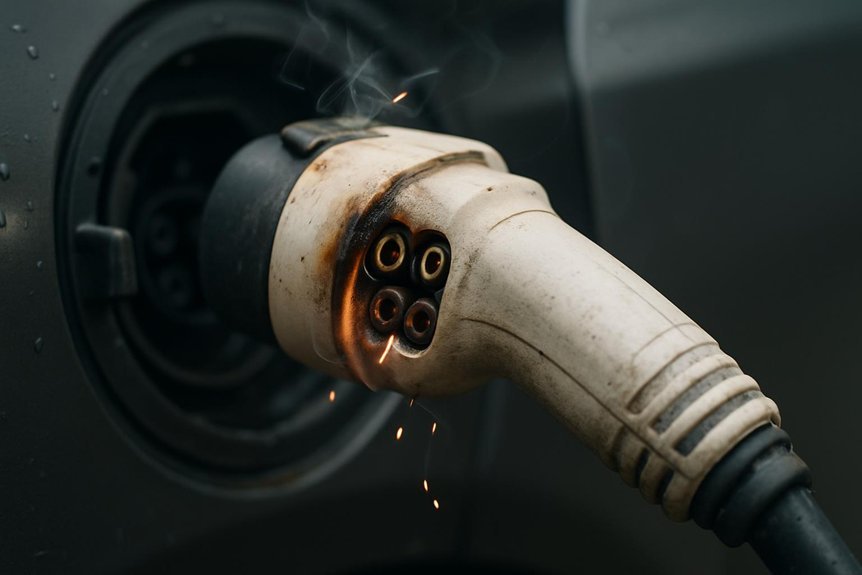
Identifying early signs of arcing or shorting in connectors allows us to address issues before they escalate into system failures. Key visual indicators include discoloration or burn marks on the connector pins, which suggest localized overheating. We should also watch for melted plastic or deformation around the connector housing, as these are clear warning signs of electrical stress. Another critical visual cue is the presence of carbon tracking or black residue, signaling repeated arcing events. Additionally, intermittent charging interruptions or unusual heat generation during operation can accompany these physical signs, indicating internal electrical faults. By recognizing these warning signs promptly, we can intervene with targeted maintenance, preventing connector failure and ensuring reliable, safe charging system performance.
How to Inspect Charging Connectors for Damage
To thoroughly inspect charging connectors for damage, we need to systematically examine both the external housing and the internal contact points. Effective inspection techniques help us identify early signs of connector wear that could lead to arcing or short circuits.
- Visually check the external housing for cracks, discoloration, or deformation indicating physical stress.
- Inspect internal contact points for corrosion, pitting, or burn marks that compromise conductivity.
- Use a magnifying tool to detect micro-fractures or surface irregularities invisible to the naked eye.
- Perform a continuity test with a multimeter to verify electrical integrity between contacts.
Choosing the Right Connectors to Prevent Arcing
When selecting connectors to prevent arcing, we must prioritize materials with high conductivity and corrosion resistance, such as copper alloys or plated contacts. Equally critical is the design of the contact surfaces, which should guarantee consistent pressure and minimize gaps that can trigger arcs. By optimizing these factors, we can considerably reduce the risk of electrical arcing in charging systems.
Connector Material Importance
Although connector design plays an essential role in reducing arcing, selecting the right material is equally important for guaranteeing reliable electrical performance. Connector material directly impacts connector durability and material conductivity, both critical to prevent arcing during charging. When choosing materials, we consider:
- Electrical conductivity – High conductivity reduces resistance and heat buildup, minimizing arcing risks.
- Mechanical strength – Materials must withstand repeated mating cycles without degradation.
- Corrosion resistance – Prevents oxidation that disrupts current flow and promotes arcing.
- Thermal stability – Guarantees consistent performance under varying temperature conditions.
Contact Surface Design
Since the contact surface directly influences electrical connection quality, we must carefully design it to minimize arcing risks. Contact geometry optimization guarantees stable engagement and uniform current distribution, reducing hotspots that trigger arcing. Additionally, surface treatment techniques such as plating with noble metals or applying anti-oxidation coatings enhance conductivity and prevent corrosion.
| Design Aspect | Impact on Arcing Prevention |
|---|---|
| Contact Geometry | Guarantees uniform pressure and reduces micro-gaps |
| Surface Treatments | Improves conductivity and corrosion resistance |
| Material Compatibility | Minimizes galvanic corrosion and contact wear |
Best Practices for Safe Connector Handling and Connection
Because connector arcing poses significant risks to both equipment and personnel, we must adopt rigorous handling and connection techniques. Prioritizing connector ergonomics reduces user fatigue and guarantees precise alignment, minimizing arcing opportunities. Thorough user training is essential to instill proper handling protocols and awareness of arcing hazards. To enhance safety, we recommend:
- Inspect connectors visually before engagement to detect damage or contamination.
- Align connectors carefully, avoiding forced connections that can damage contacts.
- Engage connectors firmly until a secure mechanical and electrical connection is achieved.
- Disconnect connectors under no-load conditions whenever possible to reduce arcing risk.
How to Maintain Connectors to Avoid Short Circuits
To prevent short circuits, we must prioritize regular and meticulous maintenance of connectors. Effective connector maintenance hinges on regular cleaning to remove dust, debris, and oxidation that can compromise electrical contact. We should inspect connectors for signs of wear or damage and address issues immediately to maintain reliable performance. Neglecting these steps increases the risk of arcing and short circuits, jeopardizing safety and equipment integrity.
| Action | Benefit | Consequence of Neglect |
|---|---|---|
| Regular cleaning | Ideal conductivity | Increased resistance |
| Visual inspection | Early fault detection | Undetected connector damage |
| Timely repair | Sustained connection | Connector failure |
Consistent connector maintenance guarantees safe, efficient charging and minimizes risks of short circuits.
Using Protective Devices to Reduce Arcing Risks
Protective devices play an essential role in reducing arcing risks by interrupting fault currents and isolating affected circuits promptly. When selecting protective devices for various connector types, we must focus on their ability to enhance arcing prevention effectively. Key devices include:
- Circuit breakers – They detect overcurrent and open circuits, preventing sustained arcing.
- Arc fault circuit interrupters (AFCIs) – Specifically designed to sense and interrupt arcing faults.
- Fuses – Provide fast interruption in short circuit conditions, limiting arc duration.
- Surge protectors – Mitigate voltage spikes that can trigger arcing in connectors.
What to Do If You Detect Arcing or Short Circuiting
If we detect arcing or short circuiting, our first priority is to implement immediate safety precautions to prevent injury or further damage. Next, we must thoroughly inspect the connector and cables to identify any visible faults or degradation. Finally, we should seek professional assistance to guarantee a proper diagnosis and safe resolution.
Immediate Safety Precautions
When we detect arcing or short circuiting in a connector, we must immediately disconnect power to prevent further damage or hazards. Initiating emergency shutdowns is critical to halt electrical flow swiftly. Following power disconnection, we should:
- Isolate the affected area to minimize exposure to electrical and fire risks.
- Avoid reconnecting power until the issue is fully resolved.
- Perform connector cleaning only after ensuring the system is de-energized to remove contaminants contributing to arcing.
- Document the incident thoroughly for root cause analysis and future prevention strategies.
Inspect Connector and Cables
Although we’ve taken immediate safety precautions to mitigate hazards, we must now carefully inspect the connector and cables to identify the source of arcing or short circuiting. First, we examine the connector wear, focusing on discoloration, pitting, or deformation of contact surfaces that compromise electrical continuity. Next, we assess cable integrity by checking for insulation cracks, exposed wires, or signs of overheating. Any physical damage can create unintended conductive paths leading to shorts. We also verify that connectors fit securely without looseness, as poor connections increase arcing risk. Using a magnifier and insulation resistance tester enhances detection accuracy. Through this systematic inspection, we pinpoint faults responsible for arcing or short circuits, enabling targeted corrective action and preventing recurrence during future charging cycles.
Seek Professional Assistance
Since arcing or short circuiting presents significant safety and equipment risks, we must promptly engage qualified professionals to address these issues. Immediate professional evaluation is essential to accurately diagnose underlying causes and prevent further damage. When arcing or short circuiting is detected, we should:
- Disconnect power sources to mitigate immediate hazards.
- Contact certified technicians specializing in electrical connectors.
- Provide detailed observations to support thorough professional evaluation.
- Follow expert recommendations for repair or replacement without delay.
Relying on expert recommendations guarantees corrective measures comply with safety standards and maintain system integrity. Attempting self-repair risks exacerbating faults or personal injury. By collaborating with specialists, we secure dependable resolution and long-term operational safety during charging.
Tips for Safe Charging to Protect Your Devices and Vehicle
To minimize the risk of connector arcing during charging, we must prioritize proper handling and maintenance of both the device and vehicle connectors. First, ensuring connector compatibility is essential; mismatched connectors increase resistance and arcing potential. Next, we should maintain a clean charging environment—dust, moisture, or debris can compromise connections and promote short circuits. We recommend inspecting connectors regularly for wear or damage and replacing any compromised components promptly. Additionally, connecting and disconnecting connectors slowly and firmly reduces mechanical stress and electrical surges. Avoid charging in extreme temperatures, as thermal expansion can affect connector integrity. By systematically controlling these variables, we can greatly reduce arcing risks, thereby protecting both devices and vehicles from electrical faults during charging.
Frequently Asked Questions
Can Weather Conditions Affect Connector Arcing During Charging?
Yes, weather conditions impact connector arcing during charging. We’ve found humidity effects increase moisture, promoting arcing, while temperature fluctuations cause material expansion, affecting contact integrity. Monitoring both helps us maintain reliable, safe electrical connections consistently.
Do Different Charging Cable Lengths Impact Arcing Risk?
Yes, charging cable lengths do impact arcing risk. We’ve found that longer cables increase resistance, affecting current flow. By optimizing charging cable materials and connector design, we can minimize voltage drops and reduce arcing occurrences effectively.
Are Wireless Charging Systems Prone to Connector Arcing?
We don’t see connector arcing in wireless charging, we don’t face physical connector wear, and we don’t risk short circuits. Inductive charging minimizes contact points but can suffer from energy loss due to misalignment or interference.
How Does Connector Material Conductivity Influence Arcing?
It is understood that material selection directly affects arcing since higher conductivity levels reduce resistance and heat buildup. By choosing connectors with superior conductivity, we minimize electrical noise and arcing risk during charging, ensuring safer, more reliable connections.
Can Software Updates Help Prevent Charging Short Circuits?
We update charging protocols, enhance software security, and monitor system performance continuously. By doing so, we can detect anomalies early, prevent short circuits effectively, and guarantee safe, reliable charging experiences through precise software interventions.
Conclusion
We’ve seen how neglect can turn a simple connector into a hazard, sparking arcing or causing shorts that threaten safety and device integrity. Yet, with vigilant inspection, proper maintenance, and protective devices, we transform risk into reliability. By choosing the right connectors and practicing safe charging habits, we not only prevent failures but also extend connector lifespan. Together, these precise actions guarantee our charging systems remain secure and efficient, avoiding costly disruptions and dangers.